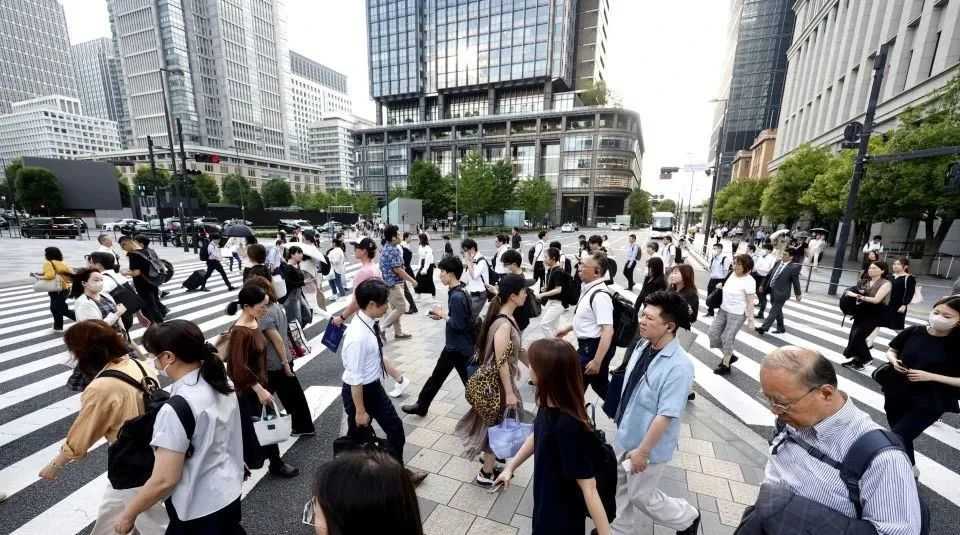
Japan’s Spring Wage Hikes Hit New High, but Real Purchasing Power Shrinks; U.S. Tariff Standoff LoomsJapan’s Spring Wage Hikes Hit New High, but Real Purchasing Power Shrinks; U.S. Tariff Standoff Looms
New Zealand Household Savings Deteriorate Further; Housing Market Shows Uneven RecoveryNew Zealand Household Savings Deteriorate Further; Housing Market Shows Uneven Recovery
Australia’s May Household Spending Rebounds, Strengthening Rate Cut ExpectationsAustralia’s May Household Spending Rebounds, Strengthening Rate Cut Expectations
Australian Shares Edge Higher on Wall Street Record; RBA Rate Cut in FocusAustralian Shares Edge Higher on Wall Street Record; RBA Rate Cut in Focus
German Expert Panel Splits on Debt Brake Reform, Three Proposals to Be SubmittedGerman Expert Panel Splits on Debt Brake Reform, Three Proposals to Be SubmittedMultiple media outlets report that the expert commission set up by Germany’s federal government to reform the constitutional debt brake has failed to reach a unified agreement. The panel plans to submit three distinct reform blueprints to Federal Finance Minister Christian Lindner next week. The coalition government formed by the Christian Democratic Union and the Social Democratic Party had hoped the experts would deliver a unified solution to the divisive issue, yet the outcome fell short of expectations. Most panel members agree that curbing structural deficits is reasonable in principle
Bank of Japan Lifts Benchmark Rate to 1%, Highest in Over 30 YearsBank of Japan Lifts Benchmark Rate to 1%, Highest in Over 30 YearsOn June 16, the Bank of Japan (BOJ) announced it would raise its benchmark interest rate to 1 percent, hitting the country’s highest interest level in more than three decades. The rate increase signals a further normalization of Japan’s monetary policy and reflects growing confidence among the government and central bank over sustained inflation and the outlook for economic expansion.
One in Four French Households Live in Severely Under-Occupied Homes: Insee StudyOne in Four French Households Live in Severely Under-Occupied Homes: Insee StudyA study released by France’s National Institute of Statistics and Economic Studies (l'Insee) on Tuesday, July 8, reveals that a quarter of French households reside in severely under-occupied homes—defined as having at least three more rooms than actually needed. This phenomenon affects 7.6 million primary residences, 93% of which are single-family houses, with three-quarters of these under-occupied homes exceeding 100 square meters in size.