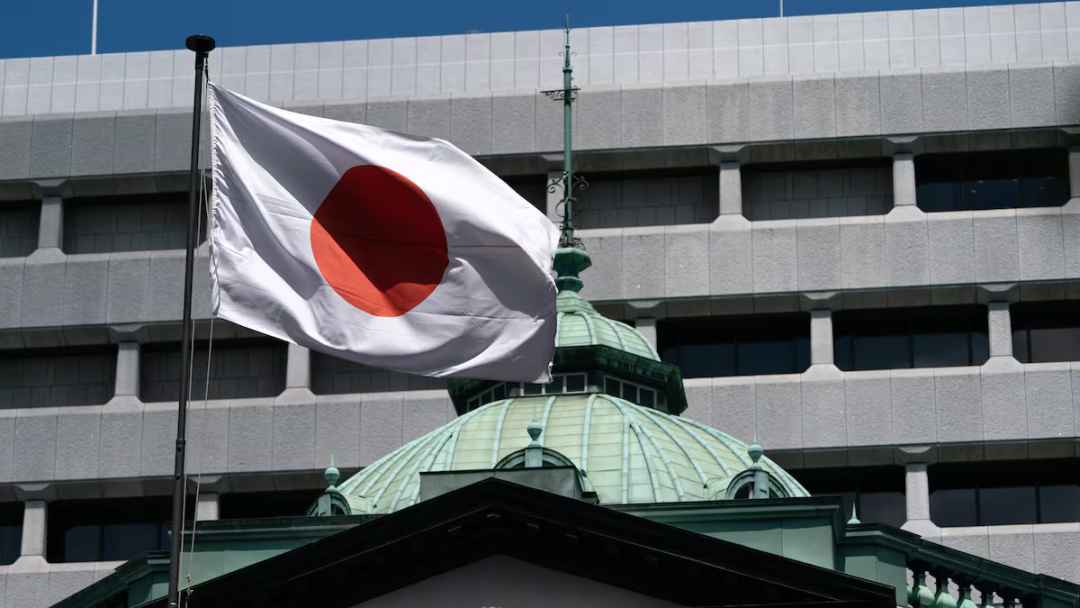
On June 16, the Bank of Japan (BOJ) announced it would raise its benchmark interest rate to 1 percent, hitting the country’s highest interest level in more than three decades. The rate increase signals a further normalization of Japan’s monetary policy and reflects growing confidence among the government and central bank over sustained inflation and the outlook for economic expansion.
Historic Rate Hike Marks Major Shift Toward Monetary Normalization
On June 16, the Bank of Japan (BOJ) announced it would raise its benchmark interest rate to 1 percent, hitting the country’s highest interest level in more than three decades. The rate increase signals a further normalization of Japan’s monetary policy and reflects growing confidence among the government and central bank over sustained inflation and the outlook for economic expansion.
Decades of Ultra-Loose Policy Phased Out Amid Wage-Price Growth Cycle
Japan had long maintained ultra-low and even negative interest rates to combat chronic deflation and sluggish economic growth. In recent years, rising consumer prices and climbing wages have formed a virtuous cycle, prompting the BOJ to gradually unwind its accommodative monetary stance. Earlier this year, Japan exited its long-running negative interest rate policy, and the latest rate hike reinforces the decisive shift away from stimulus measures.
Japanese Financial Markets Swing as Investors Recalibrate Expectations
Immediately after the policy announcement, volatility swept across Japan’s financial markets. Investors have begun reassessing the nation’s medium-term economic trajectory and the future path of central bank monetary adjustments.