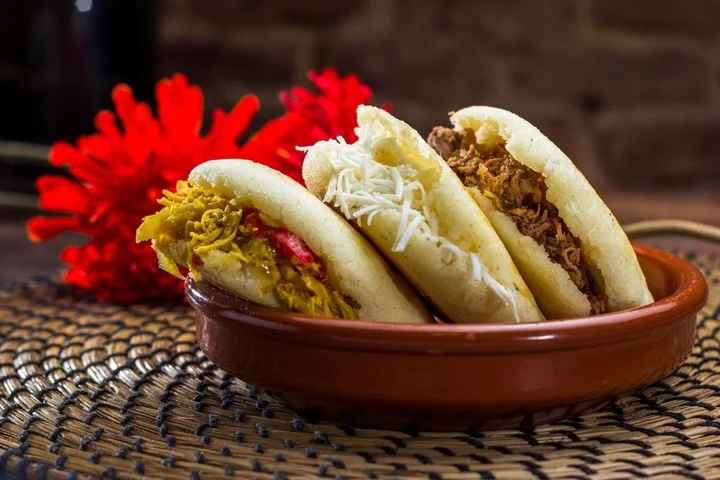
Savoring Latin America's Culinary Treasures: Argentina's Chimichurri, Dulce de Leche, and Venezuela's ArepasSavoring Latin America's Culinary Treasures: Argentina's Chimichurri, Dulce de Leche, and Venezuela's Arepas
Unveiling Latin America’s Culinary Gems: Argentina’s Asado, Brazil’s Feijoada, and Argentina’s MilanesaUnveiling Latin America’s Culinary Gems: Argentina’s Asado, Brazil’s Feijoada, and Argentina’s Milanesa
Exploring Brazil's Diverse Culinary Landscape: Must-Try Traditional DishesExploring Brazil's Diverse Culinary Landscape: Must-Try Traditional Dishes
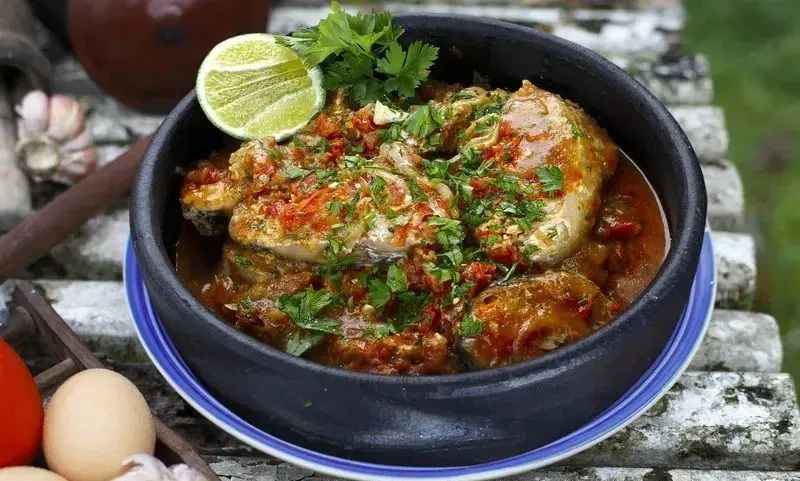
Exploring the Rich Tapestry of Brazilian Cuisine: Three Must-Try Traditional DishesExploring the Rich Tapestry of Brazilian Cuisine: Three Must-Try Traditional DishesBrazil's culinary landscape is a vibrant fusion of flavors, cultures, and traditions, reflecting the country's diverse heritage. From the sizzling grills of churrascarias to the comforting warmth of home-cooked meals, each dish tells a story. Here are three iconic Brazilian foods that showcase the heart and soul of this culinary-rich nation.
Exploring Germany's Bold and Unconventional Meat Dishes: A Culinary Dive into Three Classic but Often Misunderstood SpecialtiesExploring Germany's Bold and Unconventional Meat Dishes: A Culinary Dive into Three Classic but Often Misunderstood SpecialtiesDespite its name suggesting "liver cheese," Leberkäse is a baked meatloaf that typically contains no liver at all. Composed of pork and a blend of spices, this dish resembles a large bread loaf in appearance. Sliced and served in a sandwich, it's a staple in German cuisine.
Unappetizing German Dishes That Leave Foreigners BaffledUnappetizing German Dishes That Leave Foreigners BaffledGerman cuisine is filled with a variety of traditional dishes, yet some fare proves too adventurous for the average international diner. Here are four German staples that frequently bewilder and deter foreigners, owing to their peculiar appearances and challenging flavors.
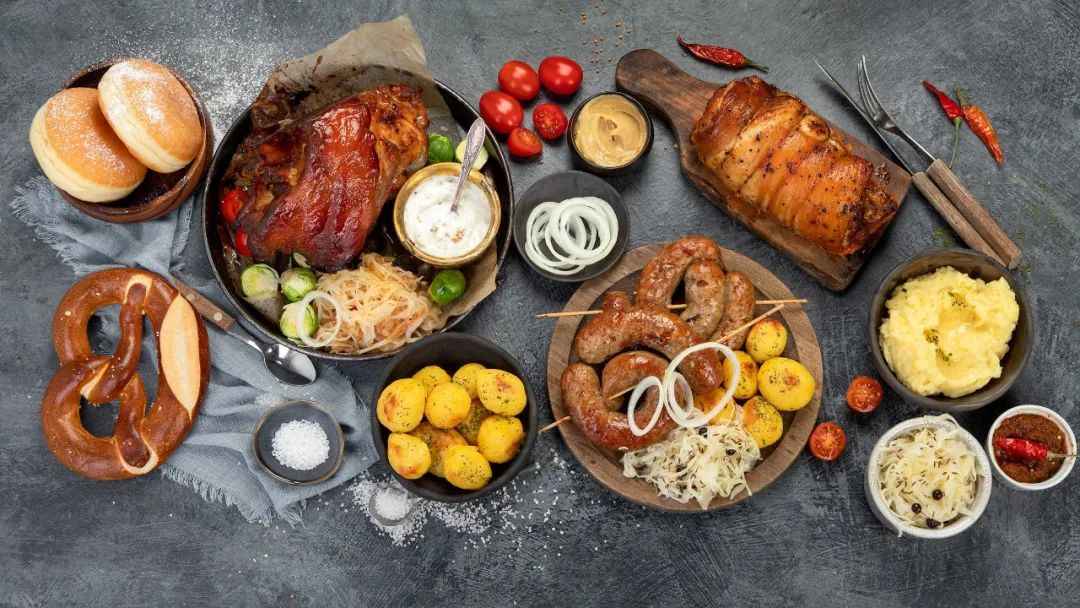
Exploring Classic Cuisines of Germany, Austria and Switzerland: A Flavorful Journey from Sausages to Cheese FondueExploring Classic Cuisines of Germany, Austria and Switzerland: A Flavorful Journey from Sausages to Cheese FondueGermany is renowned worldwide for its diverse sausage culture, with over 1,500 varieties nationwide, earning it the reputation of a "sausage kingdom." The most iconic among them is Bratwürste (fried sausages), made from minced pork. Versatile in cooking, these sausages can be fried or grilled, typically served with tangy sauerkraut or creamy mashed potatoes, becoming a staple in both street food and home kitchens.
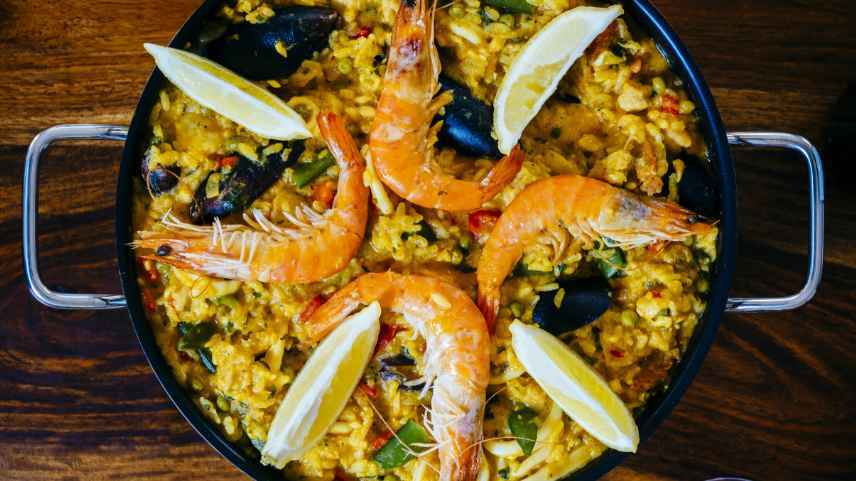
Exploring Iconic Dishes: A Gastronomic Journey Through Spain, France, and BelgiumExploring Iconic Dishes: A Gastronomic Journey Through Spain, France, and BelgiumHailing from the sun-drenched region of Valencia, paella stands as Spain’s most iconic dish, cherished by locals as a symbol of their culinary heritage. This classic seafood paella combines succulent shrimp, plump mussels, tender lobster, and aromatic rice, creating a harmonious blend of flavors from the Mediterranean. Characteristically prepared as al dente rice with a satisfyingly firm texture, the dish reaches its peak when the rich, savory meat juices fully infuse into the grains, delivering an explosion of umami that defines its unique appeal.
Exploring Brazil's Beloved Street Foods: From Cheesy Delights to Crispy TreatsExploring Brazil's Beloved Street Foods: From Cheesy Delights to Crispy TreatsBrazil's vibrant street food culture is a culinary tapestry woven with history, tradition, and bold flavors. Among its most iconic offerings are three beloved snacks that have captured the hearts and taste buds of locals and travelers alike.
Brazilian Culinary Delights: A Perfect Blend of Tradition and MulticulturalismBrazilian Culinary Delights: A Perfect Blend of Tradition and MulticulturalismBrazil, a vibrant and multicultural country in South America, boasts a culinary scene that not only preserves local traditions but also blends the cooking wisdom of Africa, Europe, and indigenous peoples. Here are several classic Brazilian dishes that showcase the unique charm of its cuisine.
Exploring Brazil's Delectable Dessert Culture: Traditional Sweets to Satisfy Your Sweet ToothExploring Brazil's Delectable Dessert Culture: Traditional Sweets to Satisfy Your Sweet ToothBrazil’s vibrant culinary scene is incomplete without its rich and indulgent dessert traditions, reflecting the nation’s deep-rooted passion for sweetness. Here’s a closer look at some iconic Brazilian desserts that have captured hearts both at home and abroad.
Exotic Tropical Fruits of the Amazon: A Closer Look at Açaí, Cupuacu, and GraviolaExotic Tropical Fruits of the Amazon: A Closer Look at Açaí, Cupuacu, and GraviolaNestled in the heart of the Amazon rainforest lies a trove of unique tropical fruits, each with distinct nutritional profiles, traditional uses, and fascinating characteristics. Below is an exploration of three remarkable Amazonian fruits that have captured attention both locally and globally.
German Gastronomic Symbols: A Feast of Sausages and Roasted Pork KnucklesGerman Gastronomic Symbols: A Feast of Sausages and Roasted Pork KnucklesGermany, a nation steeped in rich culinary heritage, takes immense pride in its sausages, with over 1,500 varieties cementing their status as a quintessential national symbol. Among these, Bratwürste holds a special place in the hearts of locals and visitors alike. Made from premium minced pork, these sausages are celebrated for their juicy consistency and aromatic profile. Whether pan-fried to a crispy exterior or grilled to perfection over an open flame, their enticing fragrance permeates markets, beer gardens, and home kitchens, becoming a familiar and beloved scent across the country. Trad
Exploring Dutch Comfort Food: Stories and Flavors of Traditional Mashed DishesExploring Dutch Comfort Food: Stories and Flavors of Traditional Mashed DishesThe Netherlands is a land of rich culinary traditions, and few dishes embody its history and warmth quite like its comforting mashed creations. Let’s dive into three iconic recipes that have warmed hearts and filled bellies for generations.
Italian Gelato: A Delicious Legacy Beyond Ordinary Ice CreamItalian Gelato: A Delicious Legacy Beyond Ordinary Ice CreamOn the streets and alleys of Italy, gelato is more than just a refreshing dessert; it is a vivid embodiment of the country's culinary philosophy. Compared to the common American ice cream, this Italian classic has become an irreplaceable culinary symbol in the hearts of food lovers worldwide, thanks to its unique craftsmanship and texture.
The All-American Burger: Decoding the Layers of a Timeless DelightThe All-American Burger: Decoding the Layers of a Timeless DelightThe allure of the American burger lies in its meticulous balance of textures and flavors, where each component harmonizes to create an unforgettable culinary experience. This globally beloved staple, celebrated for its simplicity yet complexity, continues to captivate taste buds worldwide.
Foie Gras: A Prized Delicacy Among the World's FinestFoie Gras: A Prized Delicacy Among the World's FinestRenowned globally as one of the "Three Great Delicacies" alongside caviar and truffles, foie gras holds an esteemed position in Western culinary tradition, particularly in France. The term "Foie gras" (literally meaning "fat liver" in French) refers to a gourmet ingredient crafted from the liver of geese, a member of the duck family.
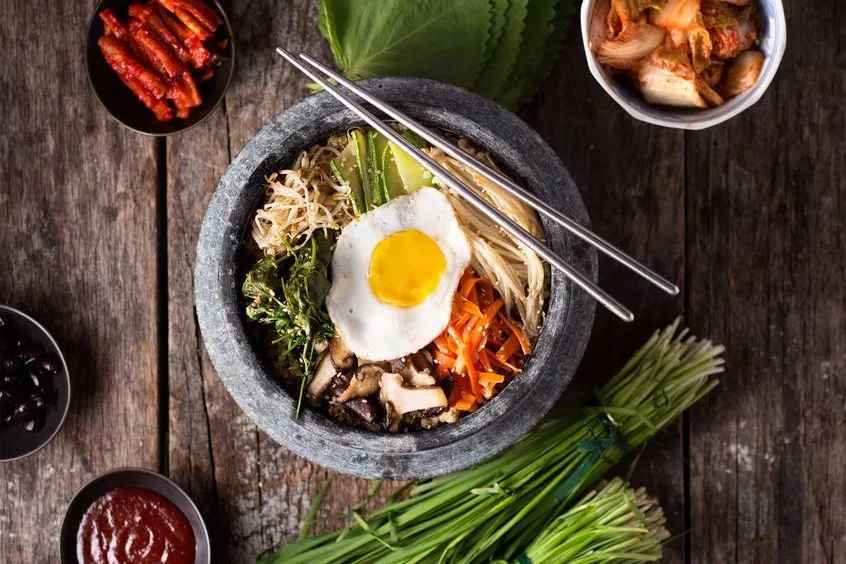
Korean Stone Pot Bibimbap: A Culinary Icon of the Korean Peninsula Originating from JeonjuKorean Stone Pot Bibimbap: A Culinary Icon of the Korean Peninsula Originating from JeonjuKnown as "dolsot bibimbap," "Korean mixed rice," or "stone bowl bibimbap," this dish is a quintessential rice-based cuisine of the Korean Peninsula. Its roots can be traced to Jeonju, a city in the southern part of the peninsula, and it has since evolved into a representative food of Korean culture, with Jeonju's version gaining worldwide renown.
Exploring the Diverse Tapestry of American CuisineExploring the Diverse Tapestry of American CuisineWhen one thinks of American food, iconic staples like hot dogs, hamburgers, French fries, and fried chicken often come to mind first. However, the culinary landscape of the U.S. is far more expansive, encompassing a rich array of dishes such as salads, steaks, barbecued ribs, shrimp, lobster, New England clam chowder, chicken stew, and cream of mushroom soup. Beyond its 本土 classics, the U.S., as an open and multicultural nation, also serves as a vibrant hub where global cuisines from every corner of the world converge.