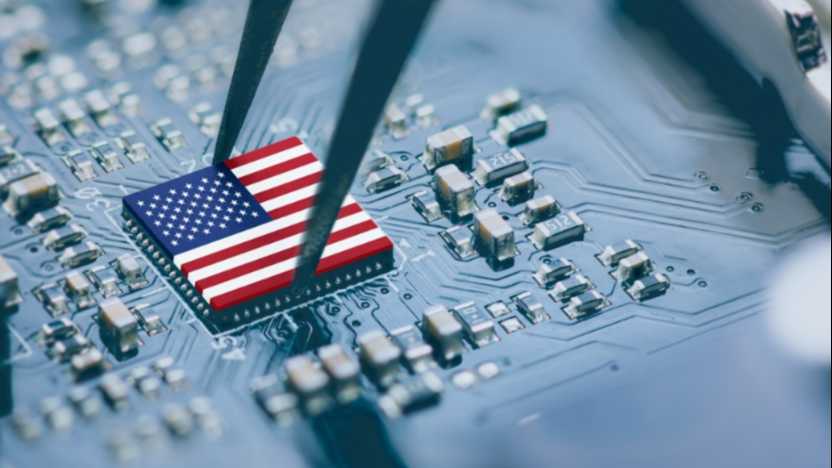
Trump Unveils $92B Investment to Build U.S. AI and Energy HubTrump Unveils $92B Investment to Build U.S. AI and Energy Hub
U.S. FAA: No Plans to Sign Communication Contract with Starlink for NowU.S. FAA: No Plans to Sign Communication Contract with Starlink for Now
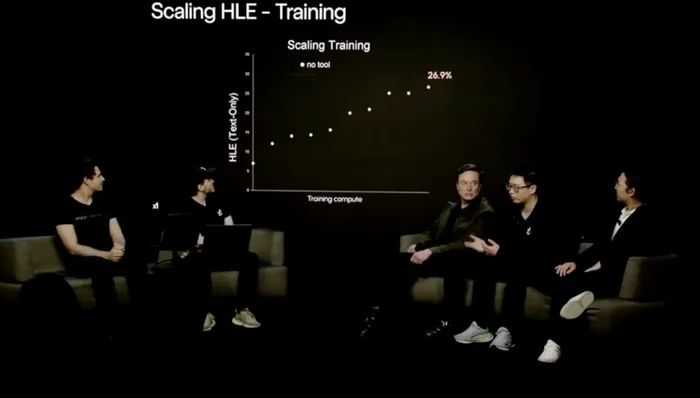
Musk Debuts Grok 4 as 'PhD-Level' AI, Achieves 44.4% on Humanity's Last Exam, Perfect AIME ScoreMusk Debuts Grok 4 as 'PhD-Level' AI, Achieves 44.4% on Humanity's Last Exam, Perfect AIME Score
EU Unveils Final AI Code of Conduct to Guide Compliance with AI ActEU Unveils Final AI Code of Conduct to Guide Compliance with AI Act
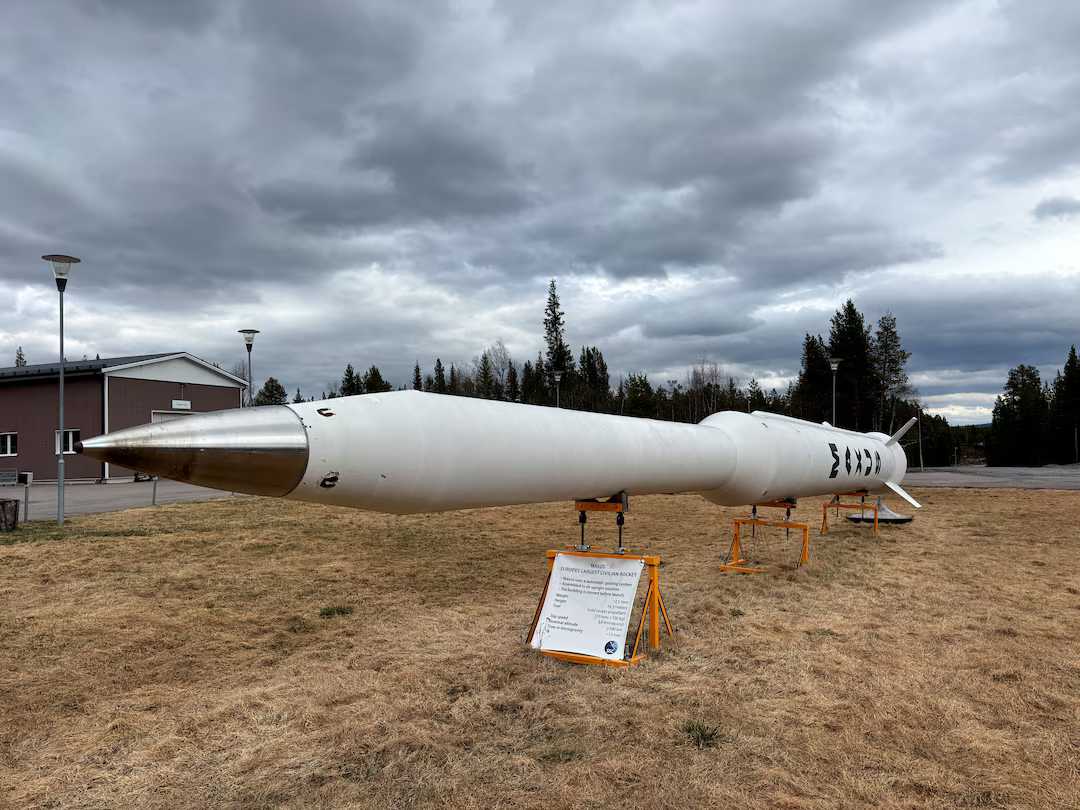
Europe Aims to Cut U.S. Reliance with Nordic Spaceport ProjectsEurope Aims to Cut U.S. Reliance with Nordic Spaceport ProjectsAs reported by Reuters on July 10, Europe is pushing forward with building domestic launch facilities in Sweden’s Esrange and Norway’s Andøya to reduce dependence on the U.S. and strengthen its independent space capabilities. The goal is to send satellites into orbit from the European continent for the first time. Previously, Europe’s only launch site was in French Guiana, South America—its remote location and high costs made it hard to meet rising commercial and military needs.
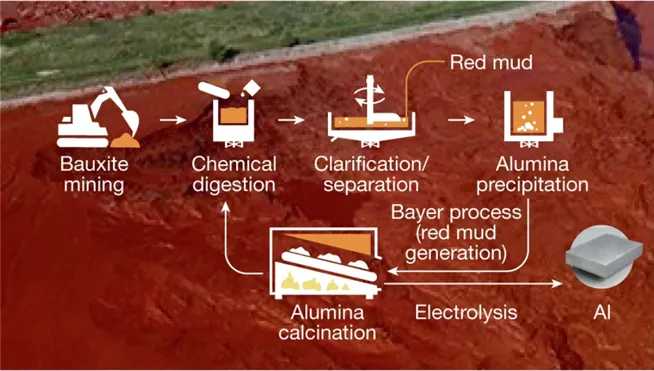
Hydrogen Plasma - based Extraction of High - Purity Iron from Red Mud Drives Green MetallurgyHydrogen Plasma - based Extraction of High - Purity Iron from Red Mud Drives Green MetallurgyEuropean scientists have developed a new method that uses hydrogen plasma to reduce iron oxide in red mud, capable of producing liquid iron with a purity of over 95% in just a few minutes. This process contains almost no harmful elements and is suitable for steel - making. Meanwhile, it can consume red mud, an industrial solid waste, and is expected to solve the environmental problem of 180 million tons of red mud produced annually.
Scientists Discover Potentially the Oldest Rocks on Earth in CanadaScientists Discover Potentially the Oldest Rocks on Earth in CanadaScientists have identified what could be the world's oldest rocks in the Nuvvuagittuq greenstone belt along the coast of Hudson Bay in northeastern Canada. These rocks are at least 4.16 billion years old, about 160 million years earlier than the previously recognized oldest rocks, and are the only known surviving fragments of the Earth's Hadean - eon crust, providing a precious window into the early evolution of the Earth.
Medical Breakthroughs to Transform Healthcare Over Next 30 YearsMedical Breakthroughs to Transform Healthcare Over Next 30 YearsOver the next three decades, scientific and technological advancements will revolutionize medicine. Genomics will enable truly personalized drugs, allowing treatments tailored to individual genetic profiles to tackle cancer, cardiopulmonary diseases, Alzheimer's, and other currently intractable illnesses.
Energy Revolution to Reshape Global Landscape Over Next 30 YearsEnergy Revolution to Reshape Global Landscape Over Next 30 YearsOver the next three decades, global energy demand is projected to rise by 35%, sparking an ongoing energy revolution. New oil extraction technologies like hydraulic fracturing and directional drilling have unlocked vast oil and gas reserves, upending the global oil market and turning the U.S. from the world’s top oil importer to its largest producer.
Quantum Computing: Poised to Transform Technology in Coming DecadesQuantum Computing: Poised to Transform Technology in Coming DecadesQuantum computing encodes and manipulates data using subatomic properties like superposition and quantum entanglement. Long confined to theory over past decades, recent research has yielded meaningful progress, with a practical quantum computer likely to emerge within 5–15 years.
Combating Global Climate Change: Challenges and Tech-Driven ResponsesCombating Global Climate Change: Challenges and Tech-Driven ResponsesCurrent data projects Earth’s surface temperature will rise by 1.4 to 3 degrees Celsius by 2050. Even with extreme greenhouse gas emission cuts, climatic inertia will drive warming, triggering dire consequences: coastal city risks from rising seas, famine due to crop yield declines, water scarcity for millions from droughts, and billions in flood damages.
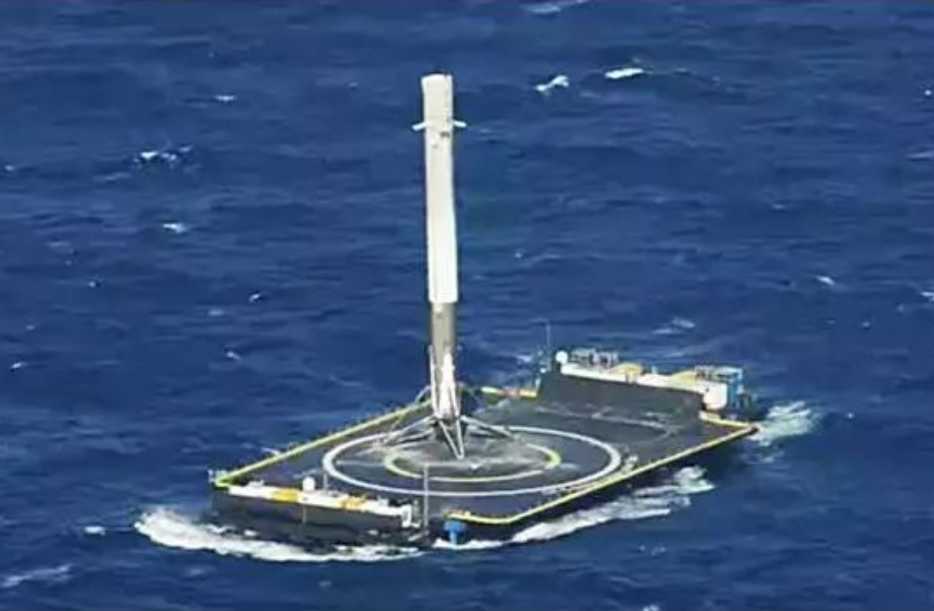
Space Technology: A New Era of Exploration and ChallengesSpace Technology: A New Era of Exploration and ChallengesThe space industry is entering a phase of growth unparalleled since the 1960s. Emerging technologies—including robotics, advanced propulsion systems, lightweight materials, additive manufacturing, and component miniaturization—are driving down the cost of sending humans and cargo into space, unlocking new opportunities for space exploration.
Microsoft to Cut 9,000 Jobs Globally Amid AI Chip DelaysMicrosoft to Cut 9,000 Jobs Globally Amid AI Chip DelaysMicrosoft announced plans to lay off approximately 9,000 employees worldwide, about 4% of its workforce, marking a major restructuring as it enters the 2026 fiscal year. The cuts, spanning multiple teams and roles, extend layoffs from May and June, aiming to reduce management layers and boost operational agility amid fast-changing tech and market conditions.
Hong Kong Unveils Ambitious Digital Asset Policy 2.0 to Lead Global RaceHong Kong Unveils Ambitious Digital Asset Policy 2.0 to Lead Global RaceHong Kong has launched its Digital Asset Policy Statement 2.0, marking a pivotal upgrade from its 2022 predecessor to solidify its position as a global leader in digital assets. The June 27 announcement emphasizes stablecoin regulation and asset tokenization as core priorities, aligning with the U.S. Senate’s recent passage of the Genius Act to regulate stablecoins, signaling intensified global competition in this burgeoning sector.
Lyon to Phase Out Microsoft Products, Adopt Open-Source SoftwareLyon to Phase Out Microsoft Products, Adopt Open-Source SoftwareFrance’s third-largest city Lyon announced on June 27 it will replace Microsoft products—including Office and Microsoft SQL—with open-source alternatives like Linux, PostgreSQL, and OnlyOffice. The move aims to reduce reliance on U.S. software, extend hardware lifespans to cut environmental impact, and strengthen technical sovereignty in public services.
U.S. Bipartisan Bill Seeks to Ban "Adversarial AI" from Foreign AdversariesU.S. Bipartisan Bill Seeks to Ban "Adversarial AI" from Foreign AdversariesU.S. bipartisan lawmakers introduced a new bill, the No Adversarial AI Act, on June 25 local time. It aims to restrict federal government procurement and use of AI technologies developed by "foreign adversaries" like China, strengthening technical security for national critical systems.
WEF Unveils Top 10 Emerging Technologies of 2025 at Summer DavosWEF Unveils Top 10 Emerging Technologies of 2025 at Summer DavosAt the 16th Summer Davos Forum on June 25, the World Economic Forum (WEF) officially released its 2025 list of Top 10 Emerging Technologies. The selected technologies include collaborative sensing, generative watermarking, green nitrogen fixation, nanozymes, engineered living therapies, GLP-1 drugs for neurodegenerative diseases, autonomous biochemical sensing, structural battery composites, osmotic energy generation systems, and advanced nuclear energy technologies.
Anthropic Data Shows Minimal Demand for AI Emotional Support via ClaudeAnthropic Data Shows Minimal Demand for AI Emotional Support via ClaudeAnthropic’s latest report reveals only 2.9% of users turn to its AI model Claude for emotional companionship, with conversations involving companionship or role-playing accounting for less than 0.5%. This contrasts sharply with perceptions of surging demand for AI companionship.
US Considers Ending Semiconductor Exemptions for China FactoriesUS Considers Ending Semiconductor Exemptions for China FactoriesThe U.S. Department of Commerce’s Bureau of Industry and Security (BIS) is planning to revoke "blanket exemptions" that allow TSMC, Samsung Electronics, and SK Hynix to use American technology in their Chinese mainland facilities without prior approval, The Wall Street Journal reported on June 20. If implemented, the move would force these companies to apply for individual licenses for U.S.-made semiconductor equipment shipments to China, with approval processes potentially dragging on for months and disrupting production upgrades and capacity expansion .
China, Hong Kong Launch Cross-Border Payment Connect SystemChina, Hong Kong Launch Cross-Border Payment Connect SystemChina’s central bank and Hong Kong’s monetary authority launched "Payment Connect" on June 22, linking mainland China’s Online Interbank Payment Clearing System (IBPS) with Hong Kong’s Faster Payment System (FPS) to enable real-time cross-border remittances. The initiative, announced in a joint statement on June 20, aims to streamline cross-border transactions for residents in both regions.