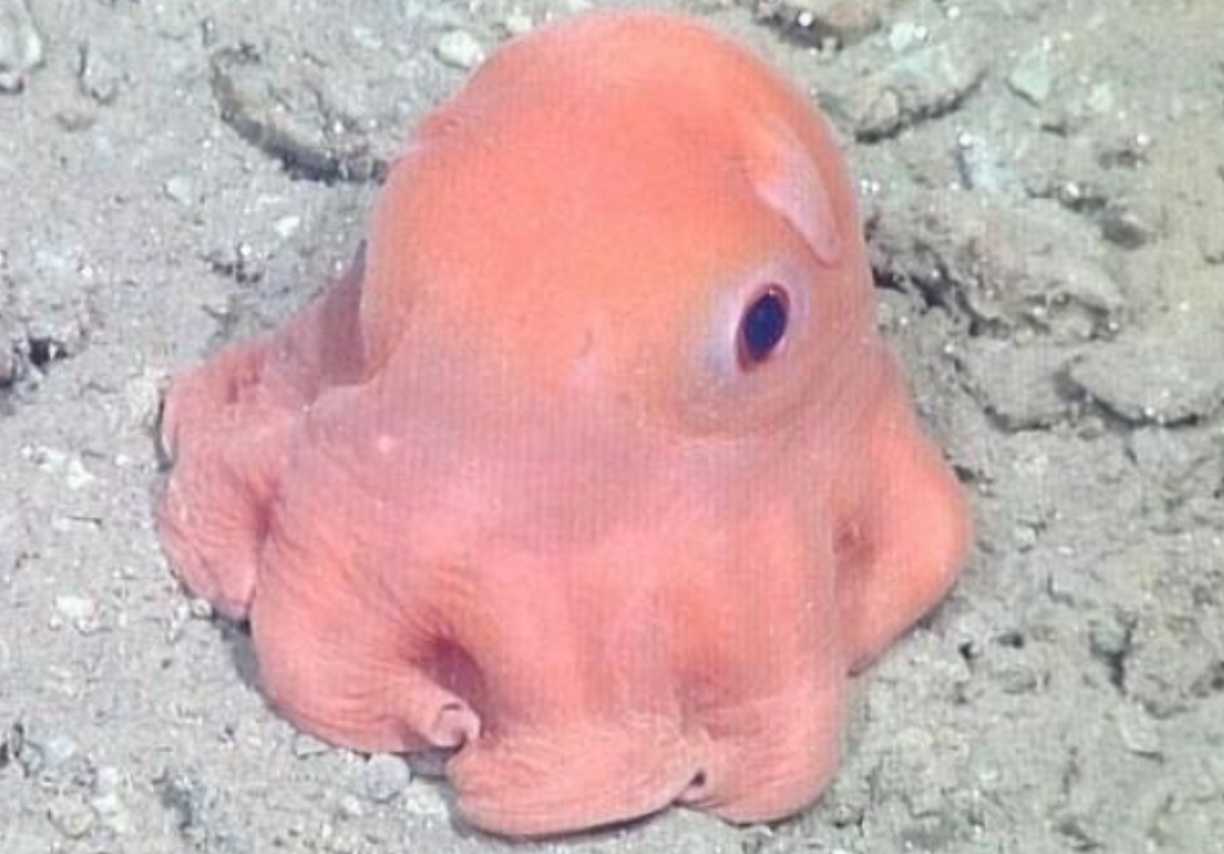
A Delightful Discovery: Unveiling the "Adorable" OctopusA Delightful Discovery: Unveiling the "Adorable" Octopus
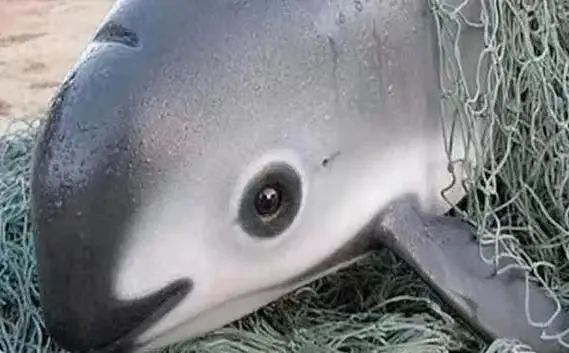
The Vaquita: Mexico’s Critically Endangered "Sea Panda"The Vaquita: Mexico’s Critically Endangered "Sea Panda"
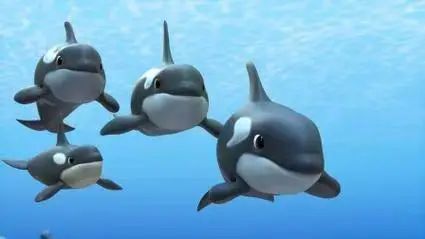
Orcas: The Majestic Apex Predators with a Playful DemeanorOrcas: The Majestic Apex Predators with a Playful Demeanor
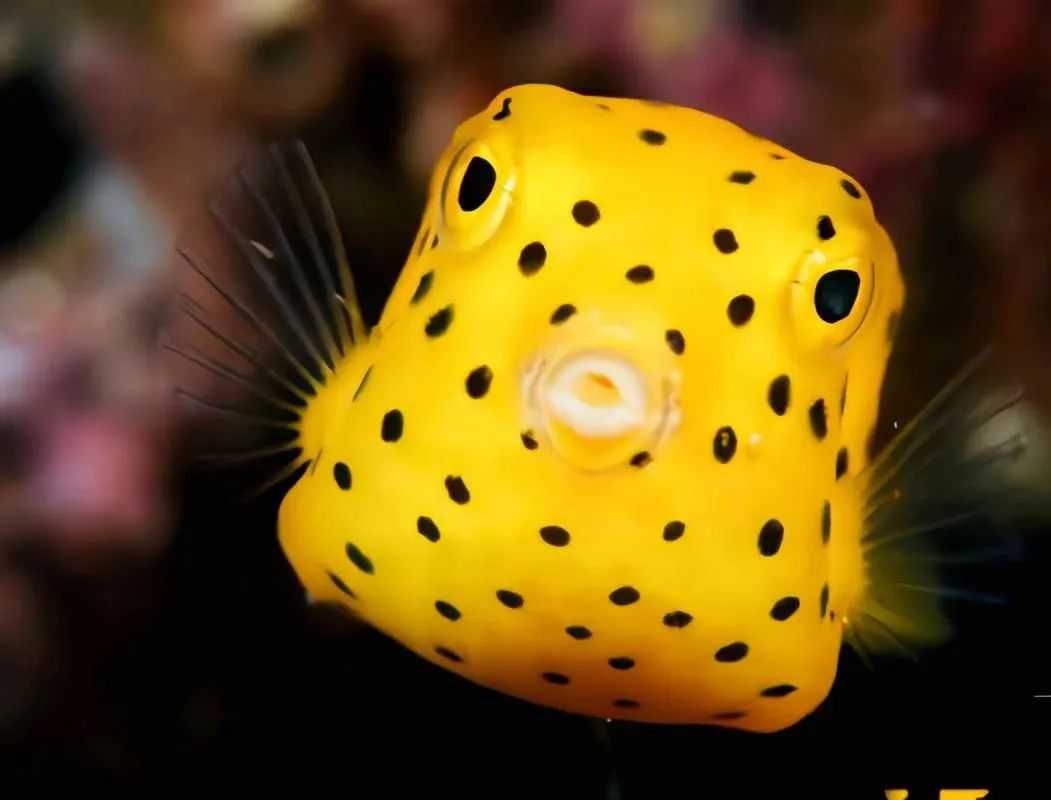
The Quirky Boxfish: A Living Underwater Cartoon in Tropical ReefsThe Quirky Boxfish: A Living Underwater Cartoon in Tropical Reefs
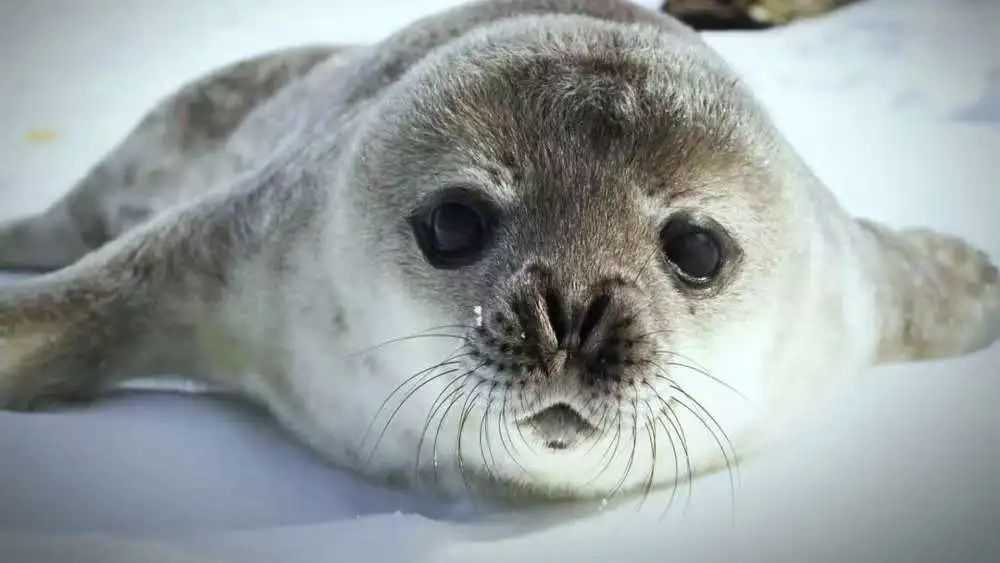
The Enchanting Spotted Seal: A Guardian of Northern WatersThe Enchanting Spotted Seal: A Guardian of Northern WatersIn the temperate seas of the Northern Hemisphere, the spotted seal (Phoca largha) thrives as a charismatic marine mammal. Growing 1.5 to 2 meters in length, this species relies on a diet of fish and shellfish to sustain its life in the ocean’s dynamic ecosystems. As a first-class protected animal in China, it holds a critical place in conservation efforts aimed at preserving marine biodiversity.
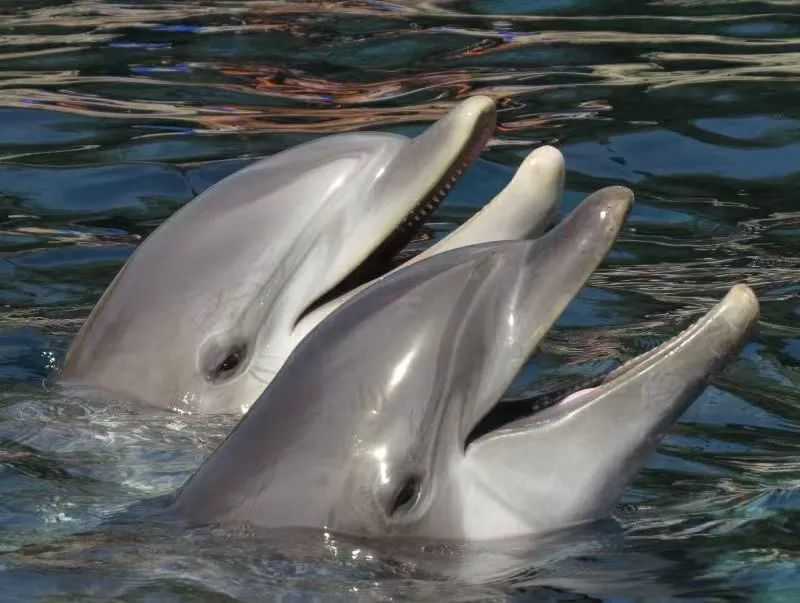
The Friendly Faces of the Sea: Bottlenose DolphinsThe Friendly Faces of the Sea: Bottlenose DolphinsWidely distributed in tropical to temperate oceans, bottlenose dolphins (Tursiops truncatus) are beloved for their intelligence and approachable demeanor. Ranging from 2 to 4 meters in length, these marine mammals feed primarily on fish and squid, navigating coastal waters and open seas with remarkable agility. Their iconic appearance and social nature make them a favorite among marine enthusiasts worldwide.
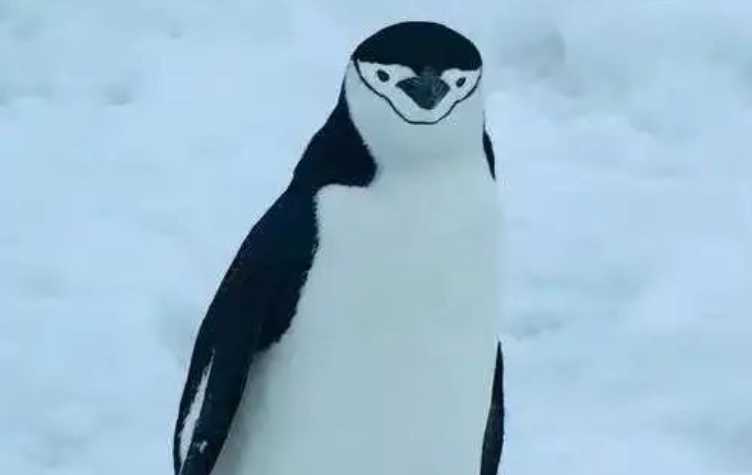
The Dapper "Gentlemen" of the Antarctic: Chinstrap PenguinsThe Dapper "Gentlemen" of the Antarctic: Chinstrap PenguinsInhabiting the windswept islands surrounding Antarctica, chinstrap penguins (Pygoscelis antarctica) are small yet striking birds perfectly adapted to life in the harsh southern polar region. Standing about 70 centimeters tall, these penguins thrive on a diet of krill and small fish, navigating icy waters and rocky shores with equal ease. Their distinctive appearance makes them one of the most recognizable species in the Antarctic ecosystem.
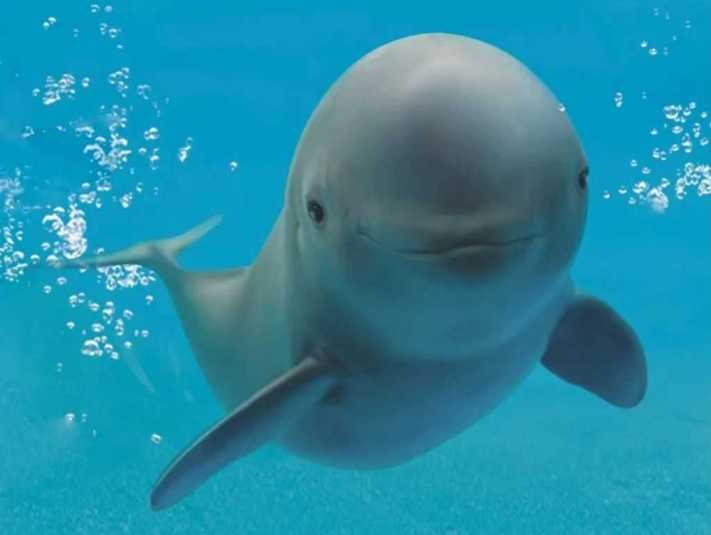
The "Giant Panda of the Water": Yangtze Finless PorpoisesThe "Giant Panda of the Water": Yangtze Finless PorpoisesIn the waters of the Yangtze River and its coastal regions dwells a diminutive cetacean known as the Yangtze finless porpoise, revered as the "giant panda of the water." Measuring about 1.5 meters in length, this critically endangered species is a national first-class protected animal, with its population teetering on the edge of survival. Its unique appearance and ecological significance make it a symbol of urgency for freshwater conservation.
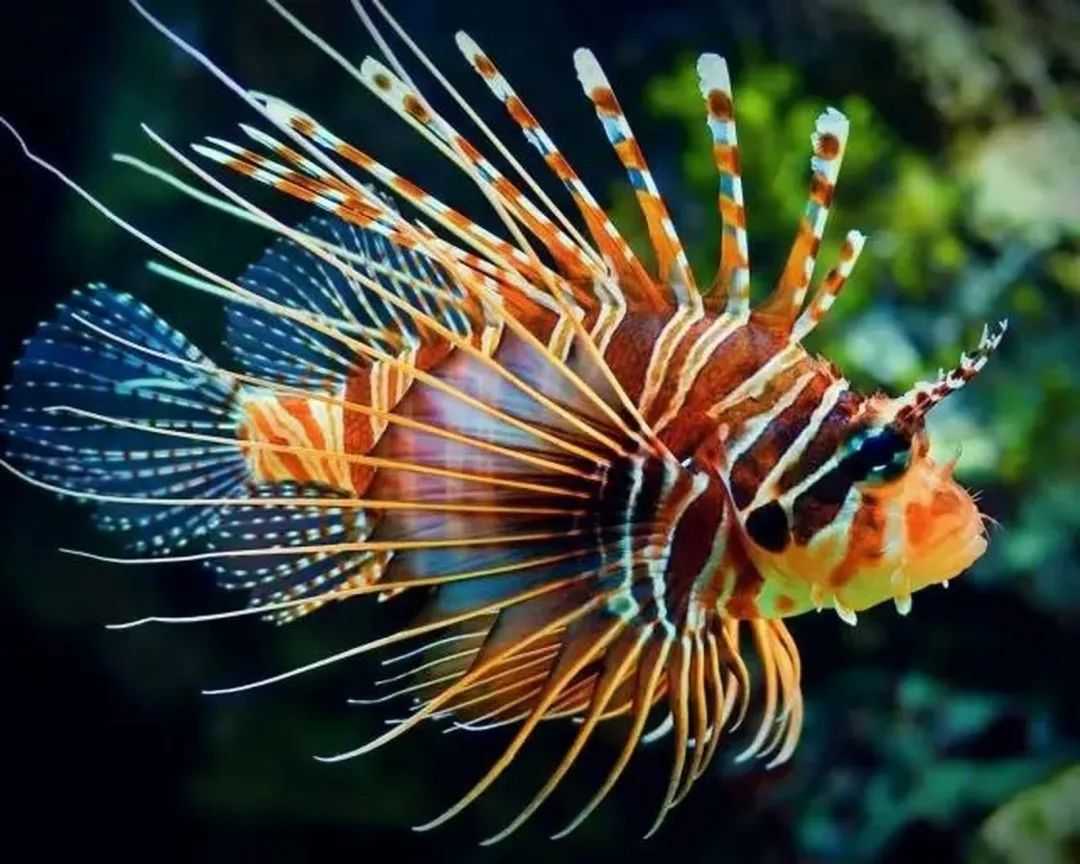
The Poisonous Beauty of the Reefs: LionfishThe Poisonous Beauty of the Reefs: LionfishIn the warm waters of tropical and temperate regions, the lionfish, or Pterois, is a striking inhabitant of coral reefs. Growing to around 30 centimeters in length, this carnivorous fish commands attention not only for its predatory nature but also for its flamboyant appearance. As it glides among the coral, it stands out as both a marvel and a cautionary presence in the marine ecosystem.
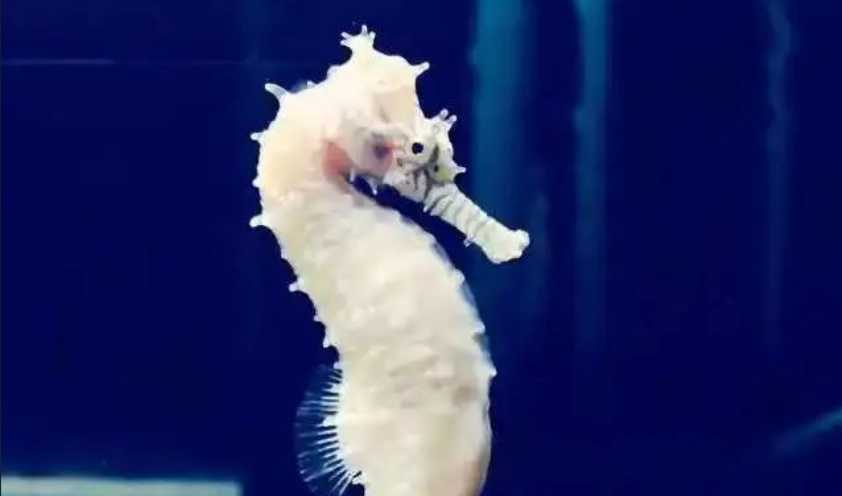
The Enchanting Sea Horses: Nature’s Miniature Marine MarvelsThe Enchanting Sea Horses: Nature’s Miniature Marine MarvelsWhile it’s no secret that sea horses aren’t horses, these captivating creatures have long charmed observers with their whimsical appearance and unique behaviors. Belonging to the Syngnathidae family of bony fish, sea horses inhabit tropical and temperate shallow waters, ranging in size from 5 to 30 centimeters. Unlike most fish, they boast a suite of adaptations that make them stand out as true oddities of the ocean.
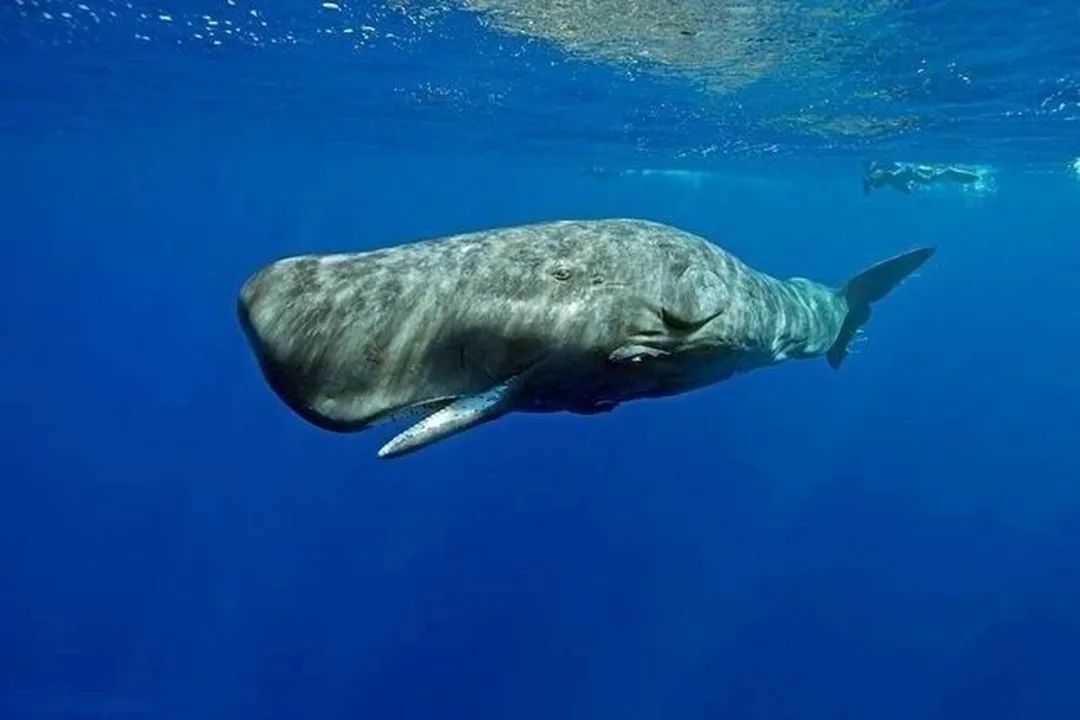
Sperm Whales: Titans of the Deep with Complex LivesSperm Whales: Titans of the Deep with Complex LivesGrowing up to 16 meters in length, sperm whales (Physeter macrocephalus) are defined by their enormous heads, which make up nearly one-third of their body size. These marine giants dominate the deep ocean, blending imposing physiology with a sophisticated social structure that has fascinated scientists for decades. From their coordinated hunting strategies to their mysterious resting behaviors, they embody the ocean’s enigmatic power.
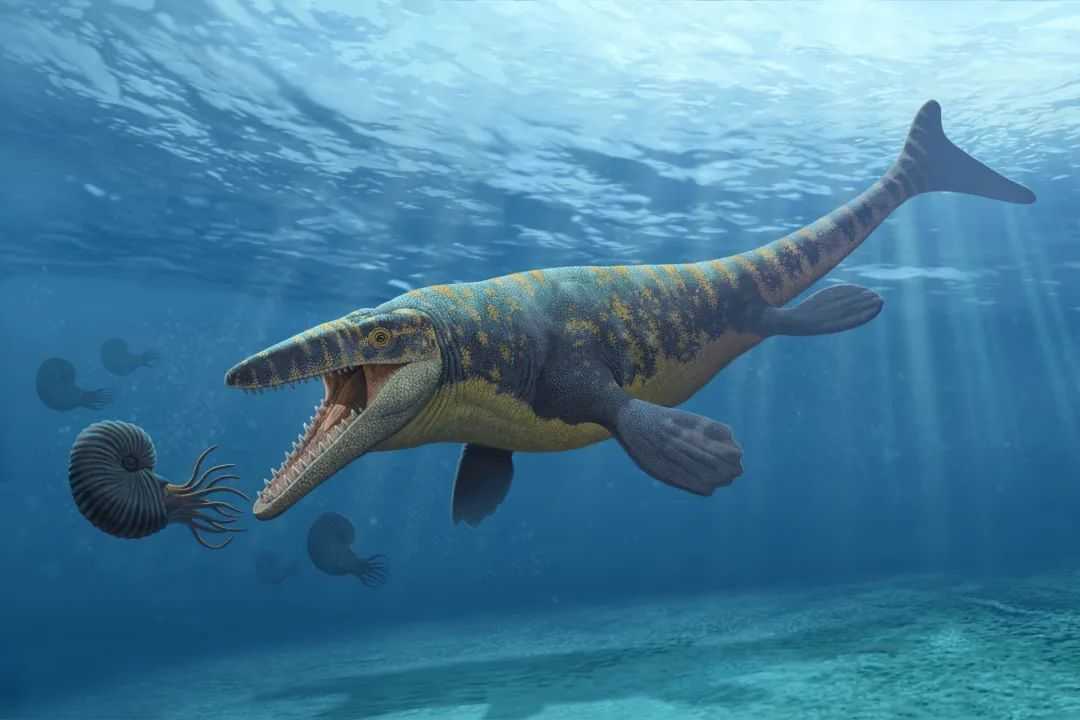
Mosasaurus: The Reptilian Tyrant That Conquered Cretaceous SeasMosasaurus: The Reptilian Tyrant That Conquered Cretaceous SeasDominating the oceans during the late Cretaceous period, Mosasaurus stood as a fearsome marine reptile, measuring over 17 meters in length and reigning as the undisputed apex predator of its time. Unlike modern marine creatures, this colossal beast traced its evolutionary roots to small, land-dwelling lizards, a transformation that culminated in one of the most successful oceanic conquests in prehistory.
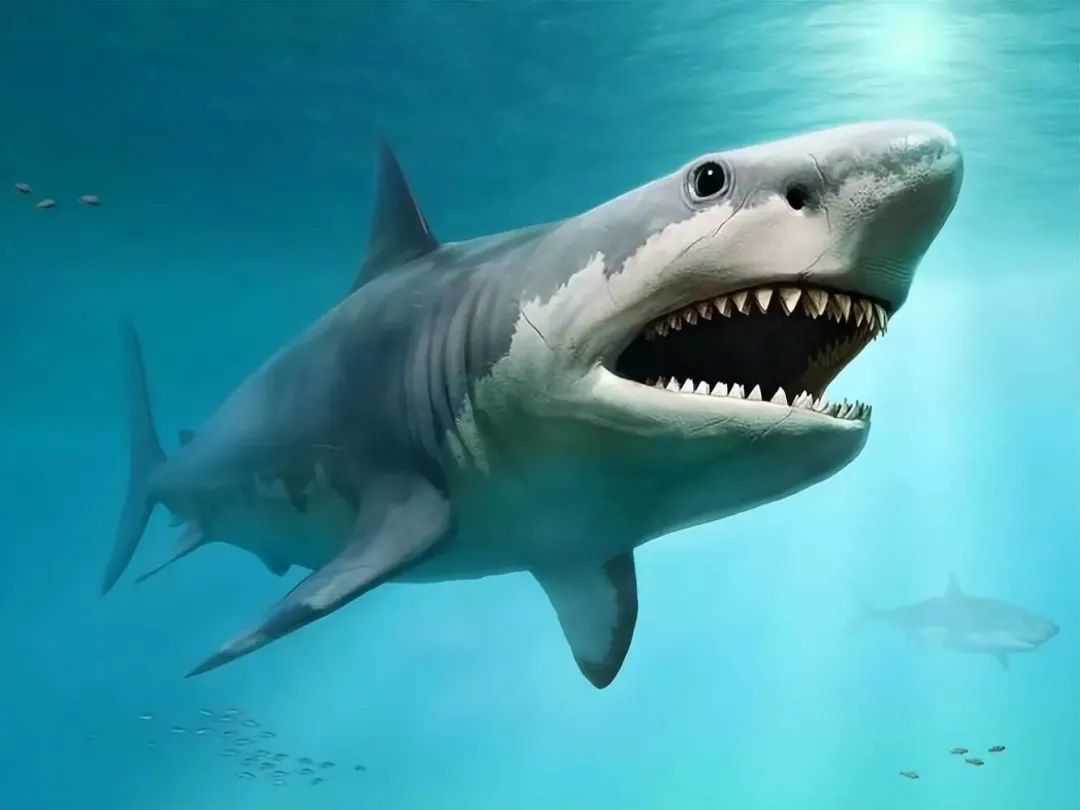
Megalodon: The Unmatched Apex Predator of Prehistoric SeasMegalodon: The Unmatched Apex Predator of Prehistoric SeasStretching over 18 meters in length, Megalodon (Carcharocles megalodon) ruled the oceans alongside Livyatan melvillei approximately 23 to 3.6 million years ago. Renowned as the creature with the most powerful bite force ever recorded—exceeding 30 tons—this colossal shark dwarfed even its massive whale counterpart in size and weight, solidifying its status as the ultimate marine predator of its era.
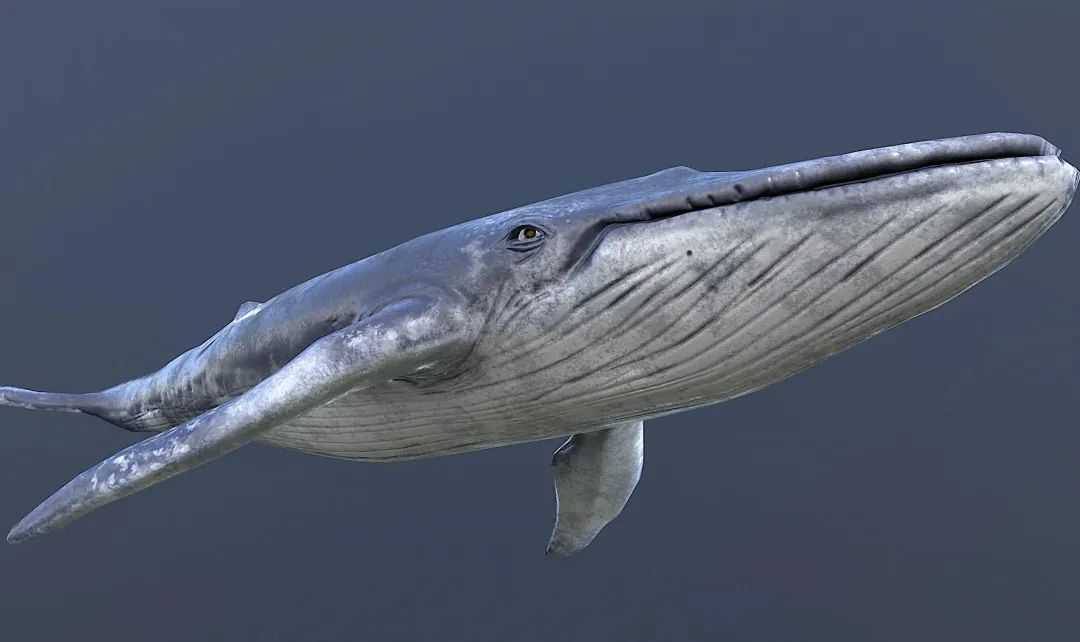
Blue Whales: The Gentle Titans of the OceanBlue Whales: The Gentle Titans of the OceanRegarded by many as Earth’s largest ever living creatures, blue whales (Balaenoptera musculus) awe with their sheer size. Adult individuals typically measure around 27 meters in length, with the largest recorded specimen exceeding 34 meters—roughly the length of five buses lined up side by side. Their tongues alone can weigh a staggering 2,000 kilograms, while newborn calves enter the world at 7 meters long and grow to 20 meters by age three, a growth spurt unmatched in the animal kingdom.
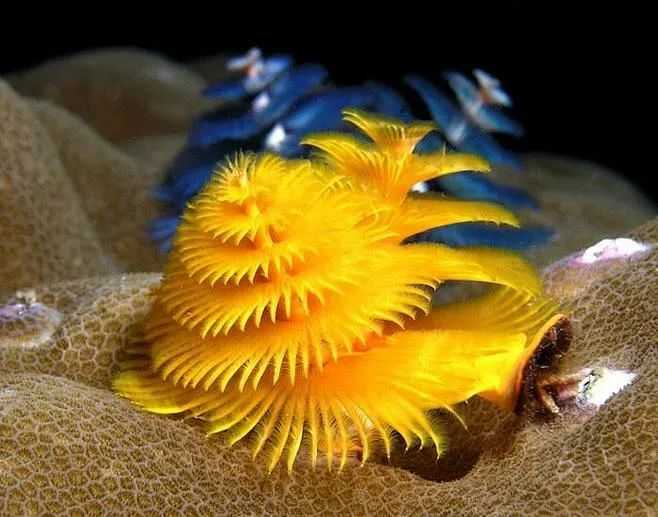
The Festive Wonders of the Reef: Christmas Tree WormsThe Festive Wonders of the Reef: Christmas Tree WormsContrary to their name, Christmas tree worms (Spirobranchus) are not corals but fascinating marine annelids that form symbiotic relationships with hard corals. These tube-dwelling polychaete worms, belonging to the phylum Annelida, are widely distributed in tropical oceans, where their vibrant, spiral-shaped structures add a touch of whimsy to coral reefs. Their common name stems from their striking resemblance to miniature, underwater Christmas trees.
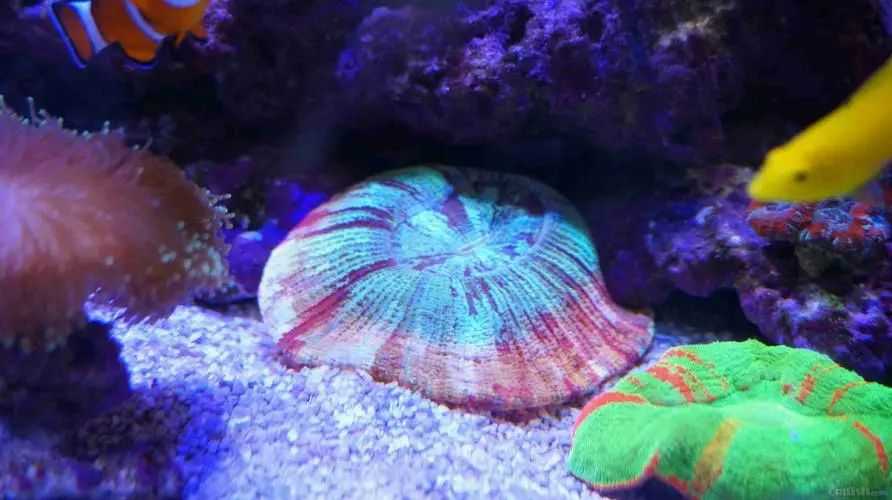
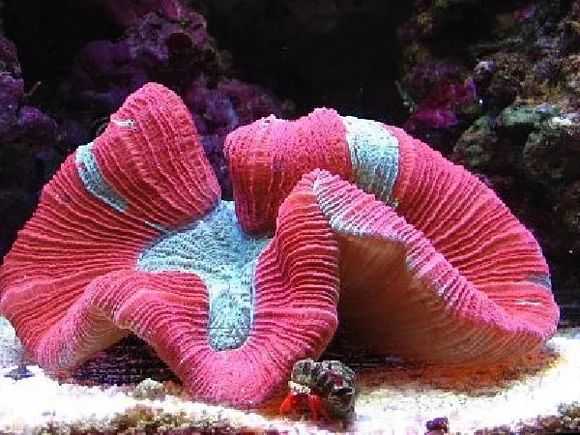
The Alluring Trachyphyllia Geoffroyi: Nature's Underwater ArtworkThe Alluring Trachyphyllia Geoffroyi: Nature's Underwater ArtworkTrachyphyllia geoffroyi, commonly known as the open brain coral or more distinctively, the eight - shaped brain coral, is a captivating species within the Merulinidae family of the class Anthozoa. Predominantly found in the shallow tropical seas of regions like Indonesia, in sandy areas or near reefs, this coral has earned its unique name due to the striking resemblance of its skeleton to the number "8".
Trachyphyllia Geoffroyi: The Enigmatic "Eight-Shaped" Brain Coral of Tropical ReefsTrachyphyllia Geoffroyi: The Enigmatic "Eight-Shaped" Brain Coral of Tropical ReefsTrachyphyllia geoffroyi, commonly known as the open brain coral or "eight-shaped" brain coral, is a striking representative of the Merulinidae family within the class Anthozoa. Thriving in the shallow tropical sands and reef zones of Indonesia and other warm coastal regions, this coral earns its name from its skeletal structure, which famously resembles the numeral "8." Unlike many corals, its growth pattern transforms a simple conical base into a complex, symmetrical form that captivates both scientists and enthusiasts.
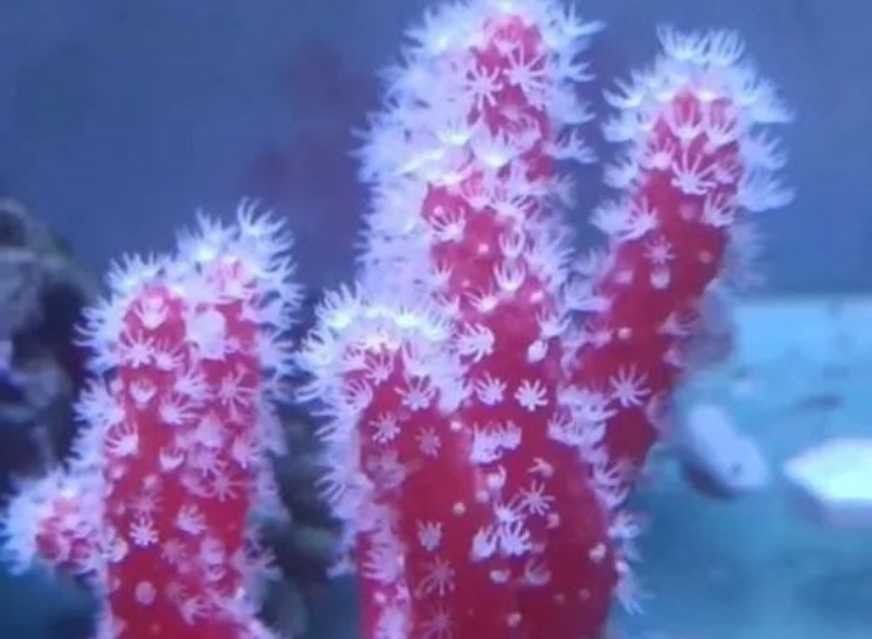
Sinularia asterolobata: The Graceful "Finger Coral" of Tropical ReefsSinularia asterolobata: The Graceful "Finger Coral" of Tropical ReefsSinularia asterolobata, a popular species in the aquarium trade, belongs to the Alcyonacea order within the soft coral family, thriving in the vibrant ecosystems of the Red Sea to the Pacific Ocean. Found in strong-current coral reefs at around 10 meters depth, this marine organism earns its common name from its distinctive morphology: fleshy, rounded structures that resemble a cluster of upturned fingers extending from the ocean floor.
Trachyphyllia geoffroyi: The Living Underwater Masterpiece of the Indian-PacificTrachyphyllia geoffroyi: The Living Underwater Masterpiece of the Indian-PacificTrachyphyllia geoffroyi, a marine marvel within the order Scleractinia of the phylum Cnidaria, thrives in the reefs and sandy substrates of the Indian-Pacific Ocean. Capable of growing up to an astonishing 1.8 meters, this coral species captivates with its distinct appearance, earning its name from a striking resemblance to the intricate folds of the human brain. Its unique structure and vibrant hues make it a standout inhabitant of the ocean’s depths.
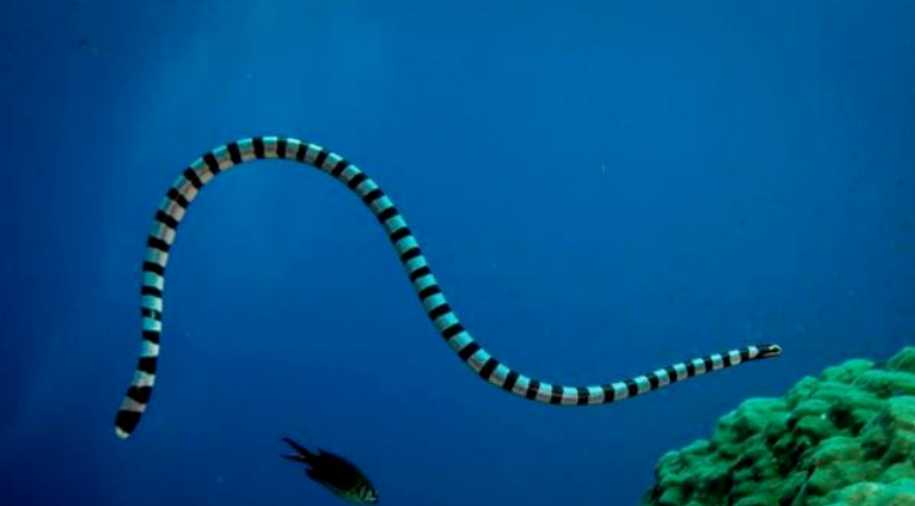
Sea Snakes: Elusive and Venomous Reptiles of the Ocean DepthsSea Snakes: Elusive and Venomous Reptiles of the Ocean DepthsSea snakes, aquatic reptiles adapted to life in marine environments, are among the most fascinating yet misunderstood creatures of the sea. These serpents, closely related to terrestrial cobras, possess a unique set of adaptations that allow them to thrive in saltwater, from paddle-like tails for swimming to specialized glands that excrete excess salt. However, their most renowned feature is their potent venom, a survival tool that has both intrigued and terrified humans for centuries.