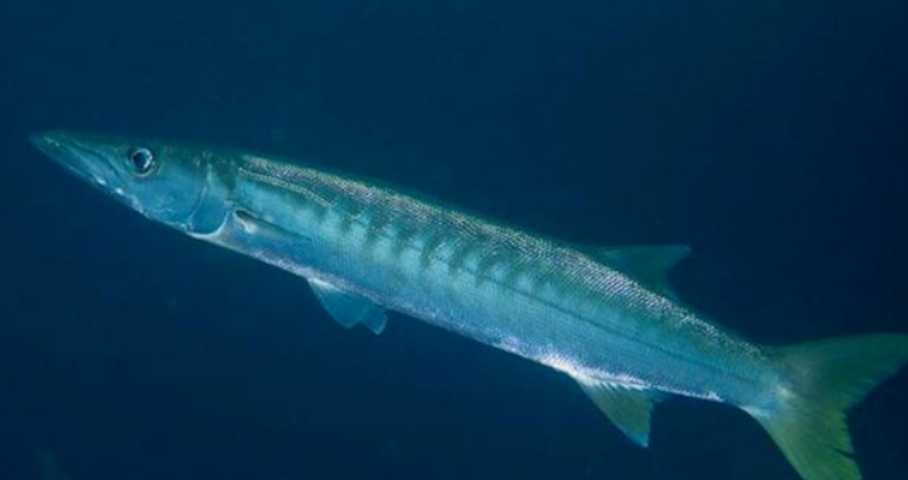
Barracudas: Swift and Formidable Predators of the Open SeasBarracudas: Swift and Formidable Predators of the Open Seas
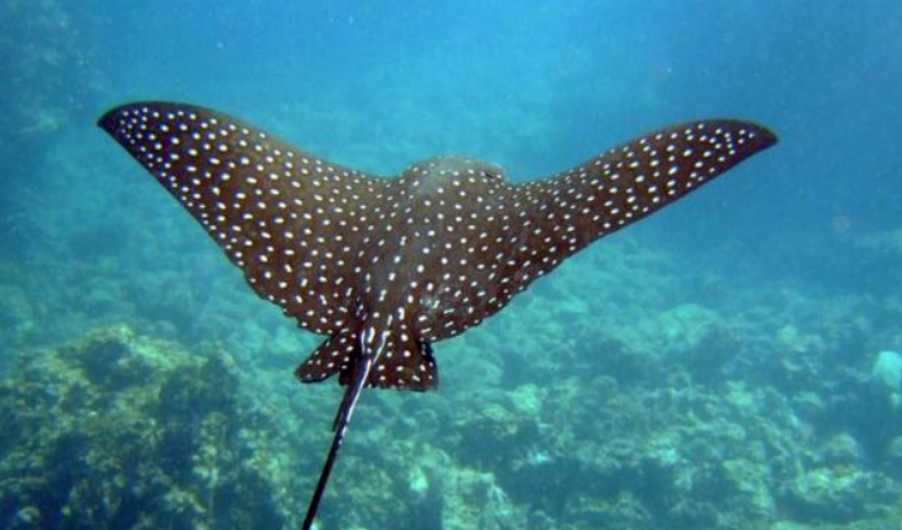
Stingrays: The Formidable Flatfish with a Lethal DefenseStingrays: The Formidable Flatfish with a Lethal Defense
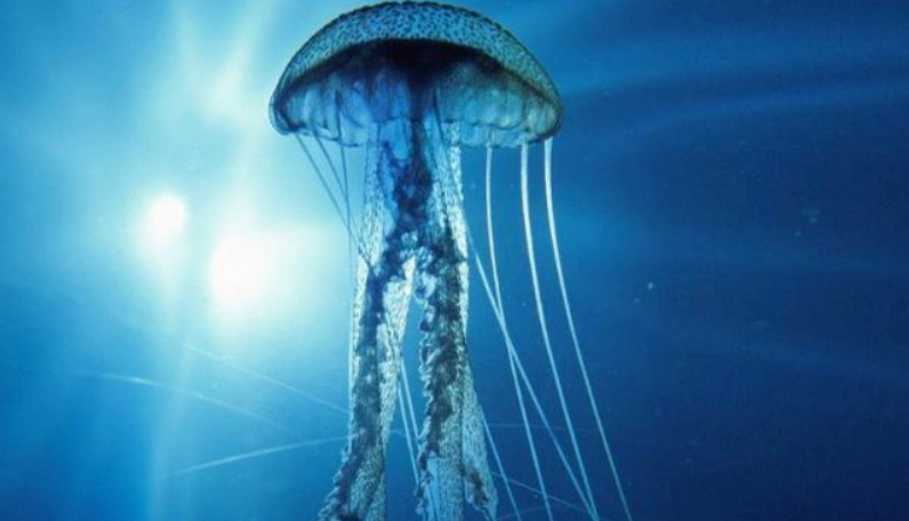
The Deadliest Predator in the Sea: Australia's Box JellyfishThe Deadliest Predator in the Sea: Australia's Box Jellyfish
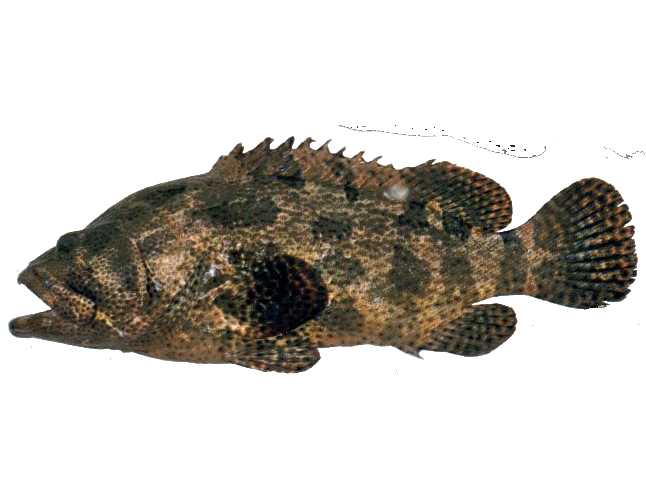
Epinephelus fuscoguttatus: The Elusive Brown-Spotted Grouper of Tropical SeasEpinephelus fuscoguttatus: The Elusive Brown-Spotted Grouper of Tropical SeasEpinephelus fuscoguttatus, commonly known as the brown-spotted grouper or brindlebass, is a striking species of marine fish thriving in the warm waters of the Indo-Pacific region. Renowned for its distinctive coloration and ecological significance, this grouper is characterized by a robust, cylindrical body adorned with small, dark brown to black spots against a light tan or grayish background, creating a camouflage that blends seamlessly with coral reefs, rocky outcrops, and seagrass beds. Growing up to 1.2 meters in length and weighing over 40 kilograms
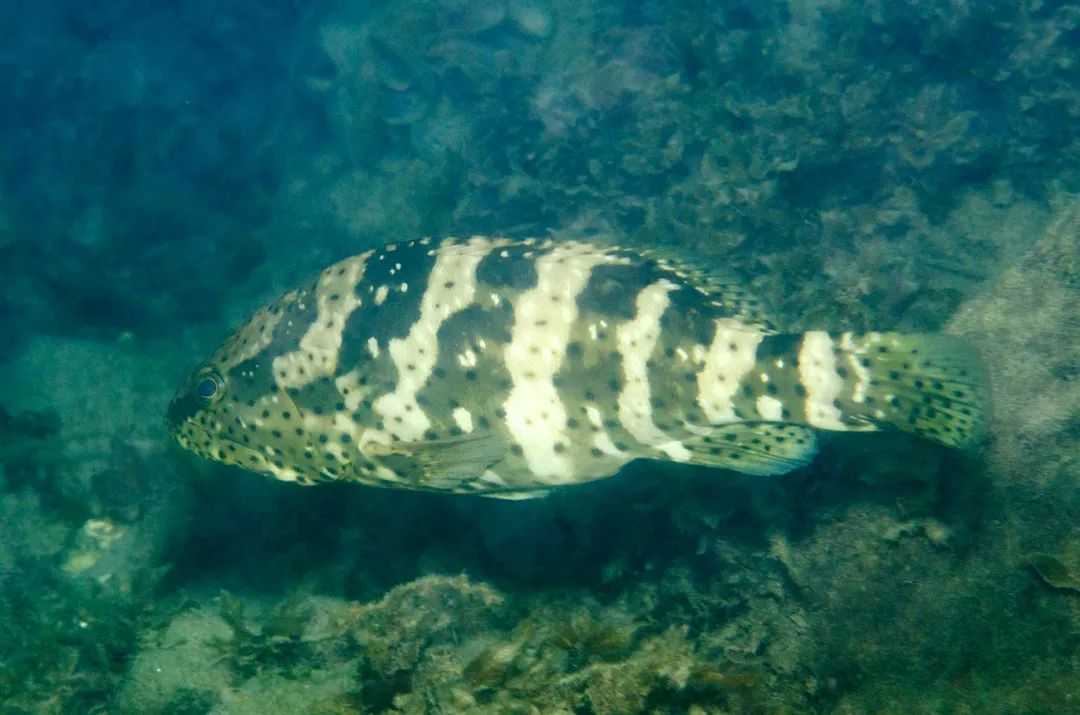
Epinephelus coioides: The Resilient "Green Grouper" of Tropical WatersEpinephelus coioides: The Resilient "Green Grouper" of Tropical WatersEpinephelus coioides, commonly referred to as the green grouper or blue-spotted grouper, is a prominent marine fish species inhabiting the tropical and subtropical waters of the Indo-Pacific region. Renowned for its distinctive appearance and ecological significance, this grouper has earned its nickname "green grouper" from its olive-green to grayish body, adorned with irregular blue or black spots that serve as effective camouflage against coral reefs and rocky seabeds. As a medium-sized grouper, it typically reaches lengths of 60–80 centimeters,though larger specimens can exceed 1 meter
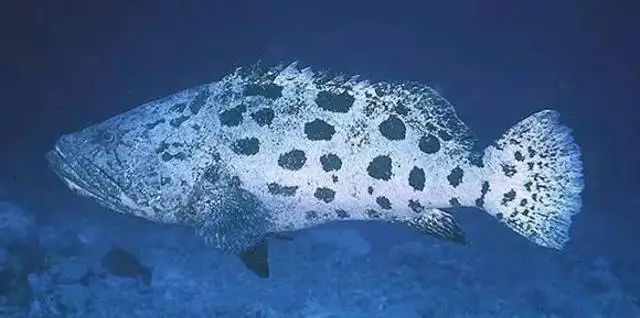
Epinephelus tukula: The Regal "Money Grouper" of the Indo-PacificEpinephelus tukula: The Regal "Money Grouper" of the Indo-PacificEpinephelus tukula, commonly known as the money grouper or blackspot grouper, is a majestic marine species that commands attention across the tropical waters of the Indo-Pacific. Named for the large, dark blotches resembling ancient coins that adorn its iridescent blue to grayish body, this fish combines striking aesthetics with ecological significance. Growing up to 1.2 meters in length and weighing over 50 kilograms, E. tukula ranks among the most iconic groupers, prized both for its role in reef ecosystems and its value in the seafood trade.
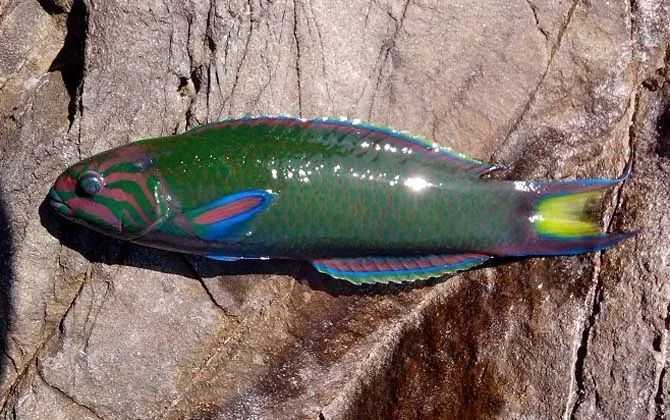
Choerodon schoenleinii: The Colorful "Blue Groper" of Indo-Pacific WatersChoerodon schoenleinii: The Colorful "Blue Groper" of Indo-Pacific WatersRenowned for its vibrant coloration and unique feeding behavior, this fish has captured the attention of marine enthusiasts and researchers alike. Its name "blue groper" stems from its predominantly blue body adorned with intricate patterns, making it a standout among reef inhabitants.
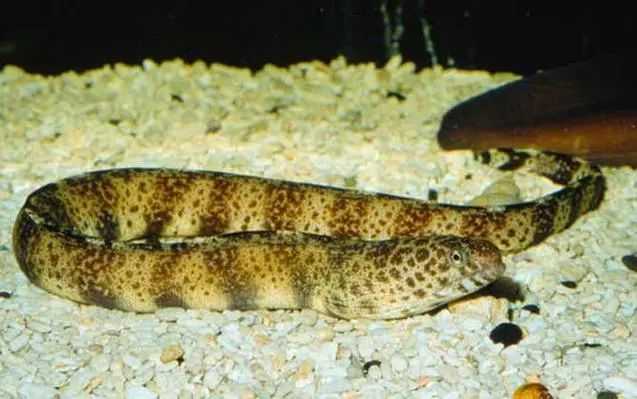
Gymnothorax pseudothyrsoideus: The Elusive Yellow-Lined Moray Eel of Tropical ReefsGymnothorax pseudothyrsoideus: The Elusive Yellow-Lined Moray Eel of Tropical ReefsGymnothorax pseudothyrsoideus, commonly known as the yellow-lined moray eel or close-netted moray, is a fascinating species within the Muraenidae family, inhabiting the coral reefs and rocky crevices of the Indo-Pacific region. Belonging to the genus Gymnothorax (nude-breasted morays), this eel is characterized by its elongated, serpentine body and distinct coloration, making it a striking yet cryptic inhabitant of the underwater world.
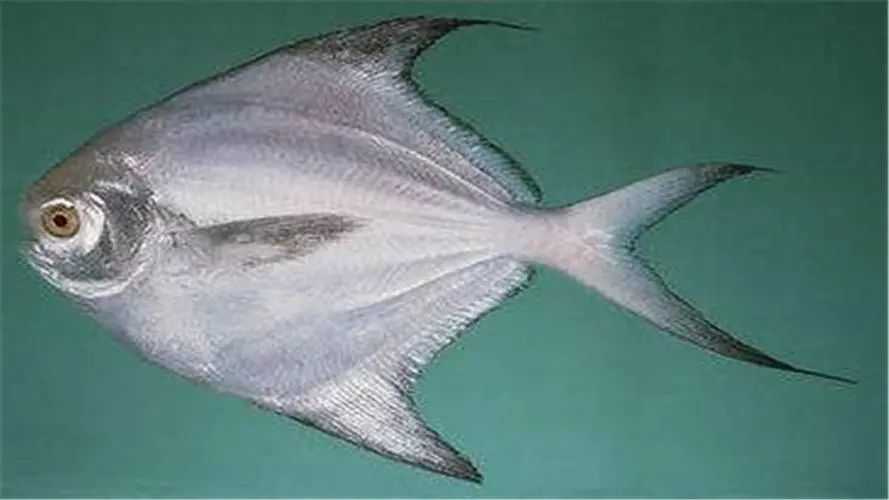
Pampus argenteus: The Exquisite "Silver Pomfret" of the SeasPampus argenteus: The Exquisite "Silver Pomfret" of the SeasPampus argenteus, commonly known as the silver pomfret or simply "pomfret" in many regions, is a species of fish that graces the coastal waters of the Indo - West Pacific. Revered for its elegant appearance and culinary value, this fish has captured the attention of seafood lovers and marine enthusiasts alike. Its body, oval - shaped and laterally compressed, is a sight to behold, shimmering with a silvery sheen that gives it an almost ethereal quality in the underwater world.
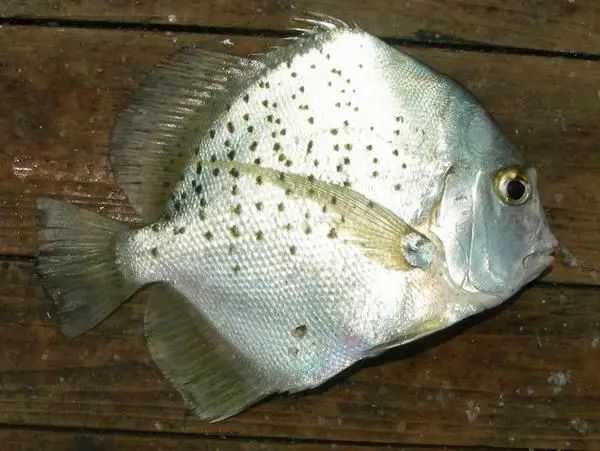
Drepane punctata: The Enigmatic Spotted Sicklefish of the Indo - PacificDrepane punctata: The Enigmatic Spotted Sicklefish of the Indo - PacificDrepane punctata, commonly known as the spotted sicklefish, is a captivating species within the Drepanidae family, inhabiting the diverse coastal waters of the Indo - Pacific region. Revered for its unique appearance and ecological role, this fish has intrigued marine enthusiasts and researchers alike. Its distinct name stems from the prominent spots that adorn its body, creating a mesmerizing pattern against the backdrop of the ocean.
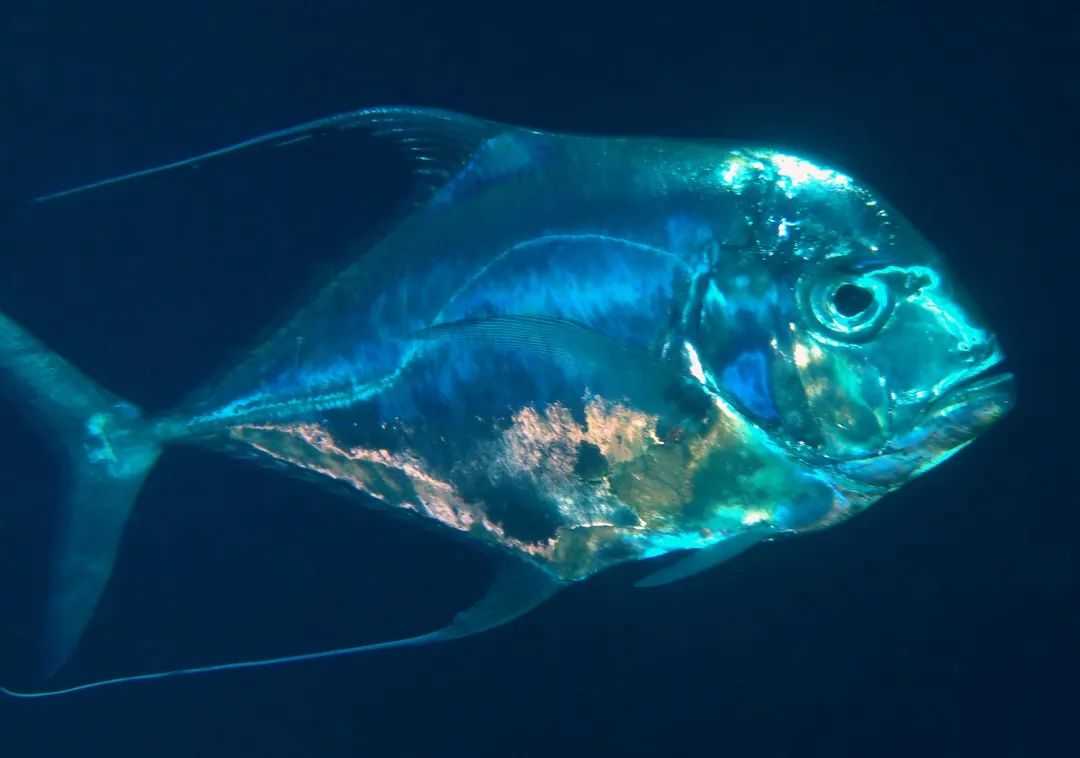
Alectis ciliaris: The Graceful Threadfin Trevally of Tropical SeasAlectis ciliaris: The Graceful Threadfin Trevally of Tropical SeasAlectis ciliaris, commonly known as the threadfin trevally or white - whiskered trevally, is a remarkable species within the Carangidae family, inhabiting the warm waters of the Atlantic, Indian, and Pacific Oceans. Renowned for its distinctive appearance and dynamic swimming behavior, this fish has earned various nicknames from local fishermen, reflecting its elegance and importance in marine ecosystems.
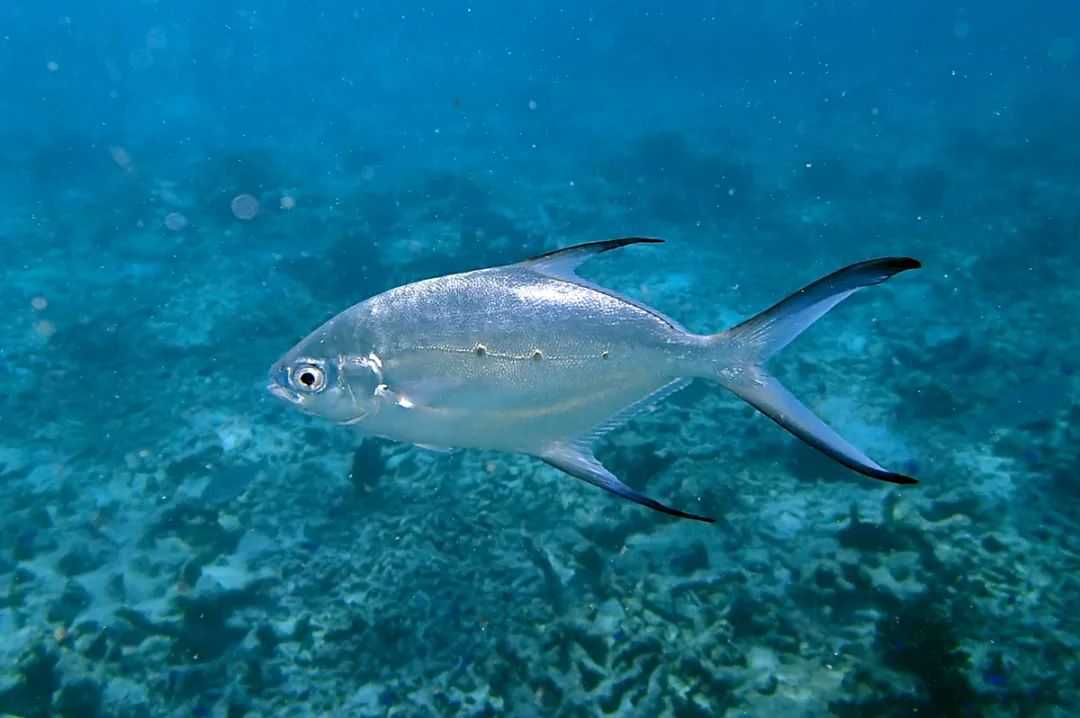
Trachinotus baillonii: The Alluring Small-Spotted Dart of the Indo-PacificTrachinotus baillonii: The Alluring Small-Spotted Dart of the Indo-PacificIt inhabits the warm waters of the Indo-Pacific, from the Red Sea to the Line Islands and from southern Japan to Lord Howe Island, adding a touch of elegance to the diverse marine ecosystems it calls home.
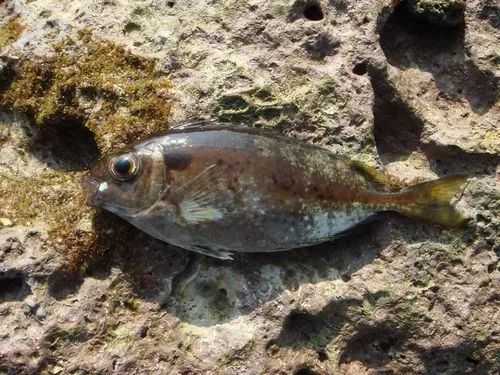
Siganus fuscescens: The Hardy Mudskipper Grouper of Tropical WatersSiganus fuscescens: The Hardy Mudskipper Grouper of Tropical WatersRecognized for its unique appearance and ecological significance, this fish has earned various nicknames reflecting its resilience and adaptability to diverse marine environments.
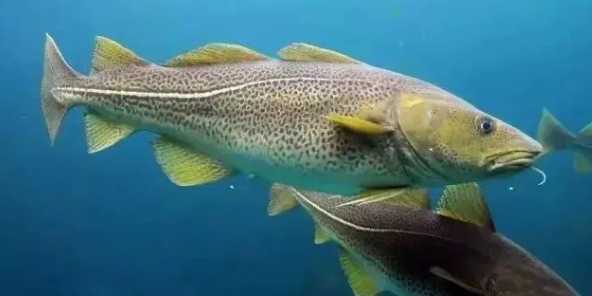
Cod: A Staple of the Seas with a Storied PastCod: A Staple of the Seas with a Storied PastCod, scientifically known as Gadus morhua and also commonly referred to as Alaska pollock or walleye pollock, is a species that has long held significance in the world's oceans. Revered for its economic value and ecological role, this fish has been a mainstay in the diets and economies of many coastal communities.
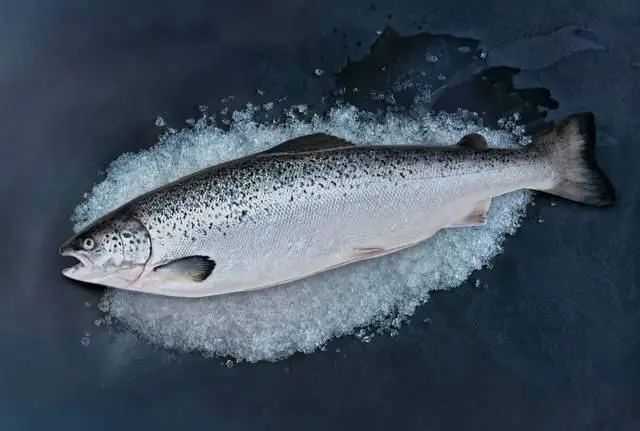
Salmon: The Iconic Fish of the Northern WatersSalmon: The Iconic Fish of the Northern WatersSalmon, commonly known as "salmon," is a group of anadromous fish species that have captured the world's attention for centuries. These remarkable creatures are renowned for their incredible life cycle, traversing vast distances between the ocean and freshwater rivers to spawn. Salmon are found in the cold waters of the North Atlantic and North Pacific Oceans, with several species, such as the Chinook, Coho, and Sockeye, each possessing unique characteristics.
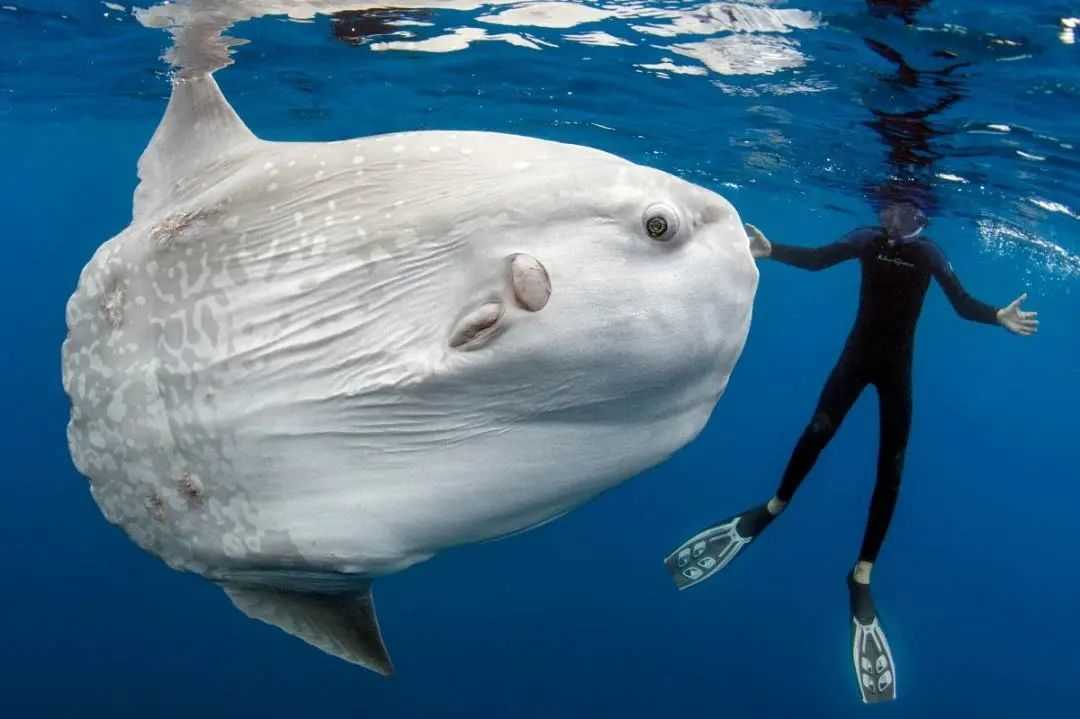
The Quirky Ocean Sunfish: A Mysterious Giant of the SeasThe Quirky Ocean Sunfish: A Mysterious Giant of the SeasWith its peculiar appearance and fascinating behaviors, it has captured the curiosity of marine enthusiasts and researchers alike. This large - sized fish is a sight to behold, standing out among its oceanic counterparts.
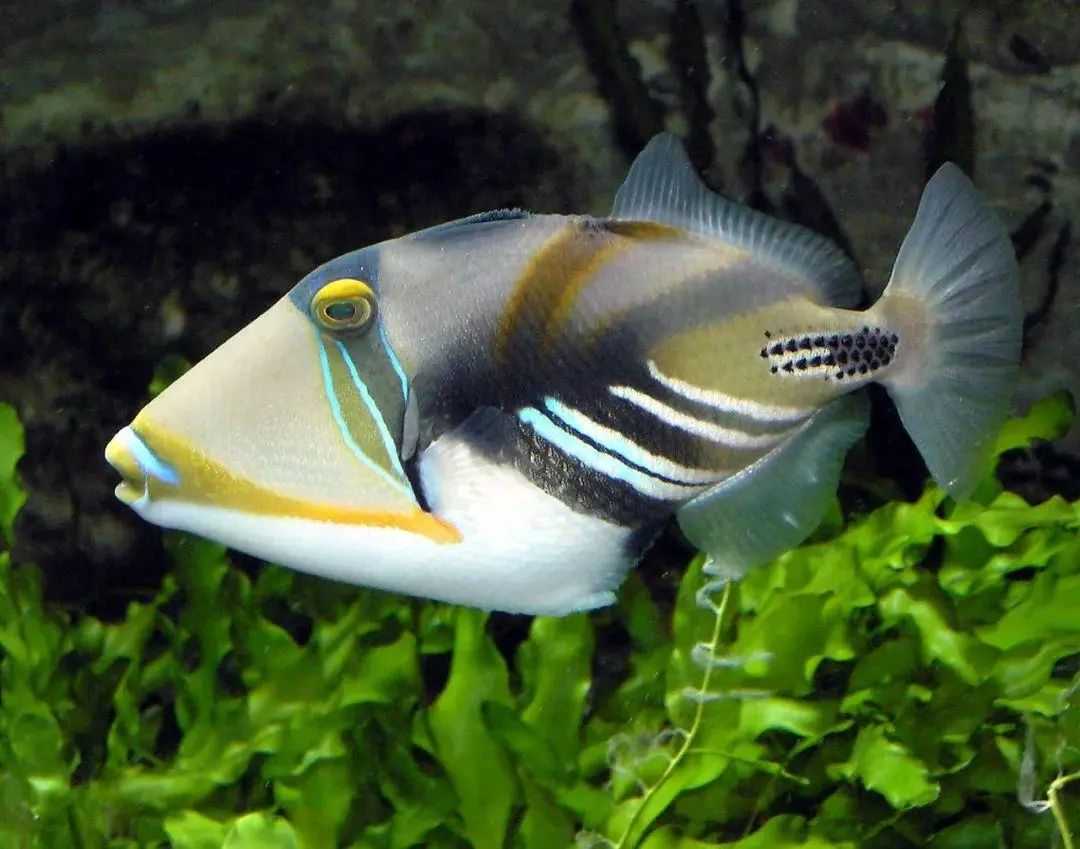
Rhinecanthus aculeatus: The Vividly Striped Triggerfish of Tropical ReefsRhinecanthus aculeatus: The Vividly Striped Triggerfish of Tropical ReefsRhinecanthus aculeatus, commonly known as the Picasso triggerfish or harlequin triggerfish, is a striking marine species that commands attention in the coral reefs of the Indo-Pacific region. Named for its vibrant, geometric patterns resembling works of abstract art, this fish combines a unique appearance with fascinating behaviors, making it a captivating subject for divers, researchers, and marine enthusiasts alike.
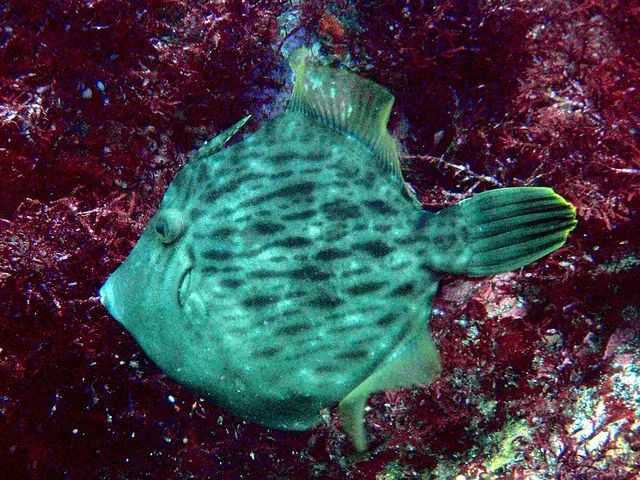
Stephanolepis cirrhifer: The Elusive Threadback Filefish of Coastal WatersStephanolepis cirrhifer: The Elusive Threadback Filefish of Coastal WatersRenowned for its unique appearance and ecological role, this fish has earned various nicknames reflecting its distinct features, such as the "antler fish" due to the elongated dorsal fin spines resembling antlers in adult males.
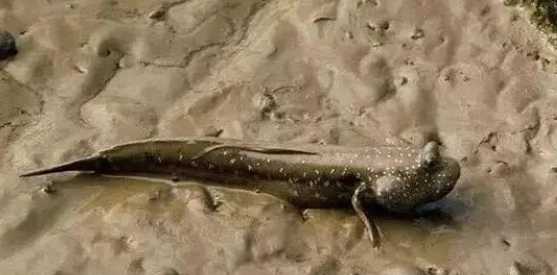
Periophthalmus spp.: The Amphibious "Mud Skippers" of Coastal EcosystemsPeriophthalmus spp.: The Amphibious "Mud Skippers" of Coastal EcosystemsInhabiting the intertidal mudflats and mangrove forests of the Indo-Pacific region, these small fish have evolved remarkable adaptations that blur the line between aquatic and terrestrial life, making them a fascinating subject of ecological study.